

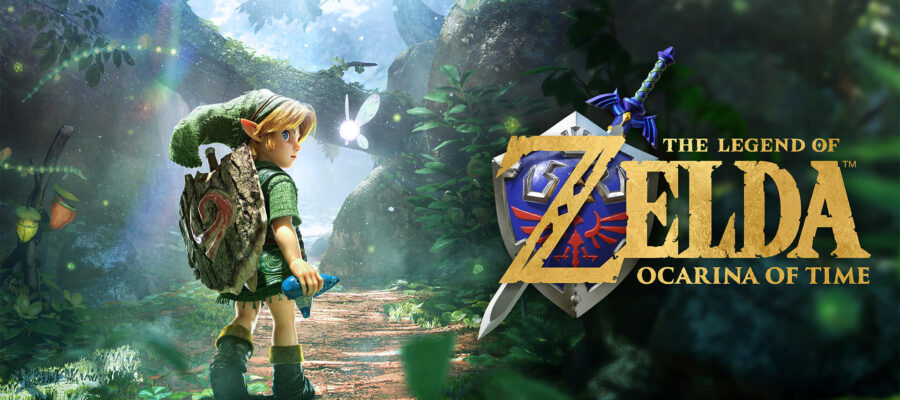
Game: The Legend of Zelda: Ocarina of Time
Genre: Action, Adventure.
System: Nintendo Switch 2
Developer|Publisher: Nintendo
Age Rating: EU 12 | US Everyone 10+
Price: US $59.99 | UK £49.99 | EU € 59,99
Release Date: November 5th, 2026
Review code provided with many thanks to Nintendo Europe.
The Legend of Zelda: Ocarina of Time – Coming Home
It was a wonderful surprise when Nintendo announced that not only was there a Zelda: Ocarina of Time remake on the way, but that it was also releasing this year. And now here we are: I’ve finished it, and as cliché as it sounds, the game is still as good as the charming N64 game that I played all those years ago. Which I played on a CRT TV using the fascinating controller now dubbed by the cool kids as the ‘trident’ controller.
Like many older gamers, I have warm, fuzzy nostalgic memories of this game, so it’s fair to say my rating of this remake is likely coloured by said nostalgia. That being said, there are plenty of niggles I can still highlight. For Zelda fans, they have likely already purchased this game, enjoyed it and possibly started playing another Zelda game due to the nice rush you get after finishing. But if you are somehow new to this game, maybe this review will give some insight as to how good game design can still hold up nearly 30 years later.
Destiny Calls
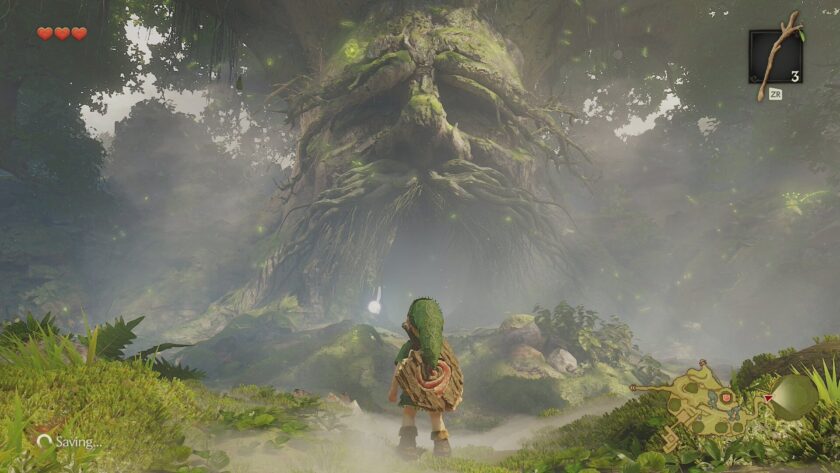
A quick summary of what this game is about; super fans can skip ahead. The Legend of Zelda: Ocarina of Time puts you in the green tunic of Link, a young lad who grew up in the forest. Destiny calls when an old tree summons him and his new fairy pal to dive inside his internal dungeon and sort out a nasty bug problem. Before Link and Navi the fairy know it, they are off to meet Princess Zelda and save the land of Hyrule from the big baddie, Ganondorf, who has his heart set on Hyrule domination. It’s a simple tale to follow, but its message and themes still carry today. The call to be a hero, sacrifice and what we lose when we are forced to grow up too soon. Playing this game as an adult, I have to say some of its themes certainly hit differently and more emotionally. You’ll encounter many interesting and memorable characters on your journey, creating memories which may stick with you moving forward.
For old fans, the story has been kept intact as it was back in the day; what’s notably different is that this game adds a few additional cutscenes to explain some of the lore a little more. A big change for the remake is, of course, the introduction of voice acting. Going in I was a little concerned about this as being a retro old player; I’ve never had issues with just reading text boxes. Fortunately, the remake takes a Breath of the Wild approach, where voice acting is saved for small cutscenes and the text boxes and funny voices are very much the meat of the narrative, a fine compromise to me. To be fair, the voice acting is alright; Nintendo brought in a good cast to bring cherished characters to life. I did find it interesting in the game how Link is literally now named Link, when in the original you would give Link your own chosen name. I kinda miss this feature still.
Dungeon Diving
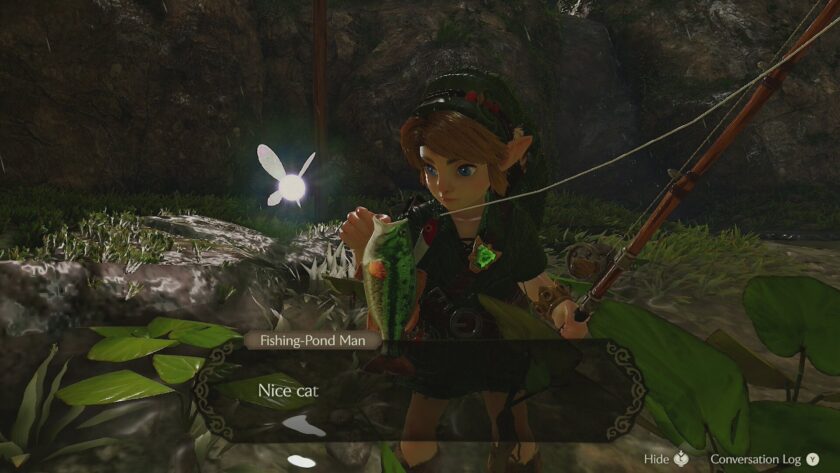
The general gameplay flow is hopping from dungeon to dungeon, solving puzzles, battling enemies, finding a unique item which helps solve puzzles and often helps to defeat the boss. Then it’s kinda off to the next one to repeat the process. This classic Zelda design has always been my happy place, and it’s great to see it kept intact here. In between all this, there is a vast amount of side activities to do. A few side quests, mini games, tons of skull tokens and heart pieces to locate if you fancy.
The real joy about this game for me is the thrill of exploration and being able to explore the land of Hyrule. It gave the wow factor on N64, and that feeling is still present here. One moment you’re swimming about in Zora’s Domain; the next you are inside the volcano Death Mountain, feeling hot from the lava. The game has fantastic pacing; I think Nintendo might have been tempted to expand the land of Hyrule more and create an absurd and boring sandbox. Instead, they showed restraint and kept the overall map basically the same as it was on the N64. Concise and relevant, leaving little room for boredom. A testament to how well this formula has held up.
What’s New
The main question some will have is what is different from the remake. In general, this game is pretty loyal to the N64 original game. This does, however, mean a lot of those puzzles that might have given you some head-scratching moments back in the day, such as ” how do I get this Goron NPC to help me enter the dungeon, are exactly the same. So old players will likely fly through this title.
The most obvious change is Link now jumps on command. When I first played this game, my muscle memory kicked in, and I tried running off the side of the ledge to do an auto jump, only to find you now press the button yourself. Jumping is fine in this and works well with the original platform designs. A lot of the gameplay tweaks are quality-of-life improvements. You can access most items using the shoulder buttons rather than going into the menu. Similar to some equippable items, these can now be put on and off with a press of a button.
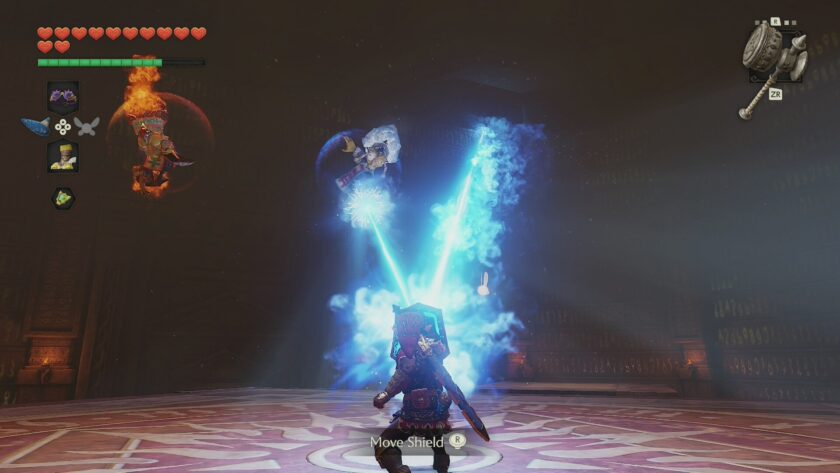
Combat feels much the same as the original; you can lock onto enemies or try free flow, whichever’s your jam. Boss fights are epic. There is also a feature that does hint where you need to go next should you be stuck with the path ahead. I did note some puzzles appear to have been simplified in this remake; the obvious one being everyone’s favourite Water Temple is much easier to navigate (and that’s even comparing it to the 3DS remake). A gimmick but cool feature is that you can hum or play a real instrument to play the ocarina; it’s very impressive considering it can pick up my awful humming.
Those Eyes
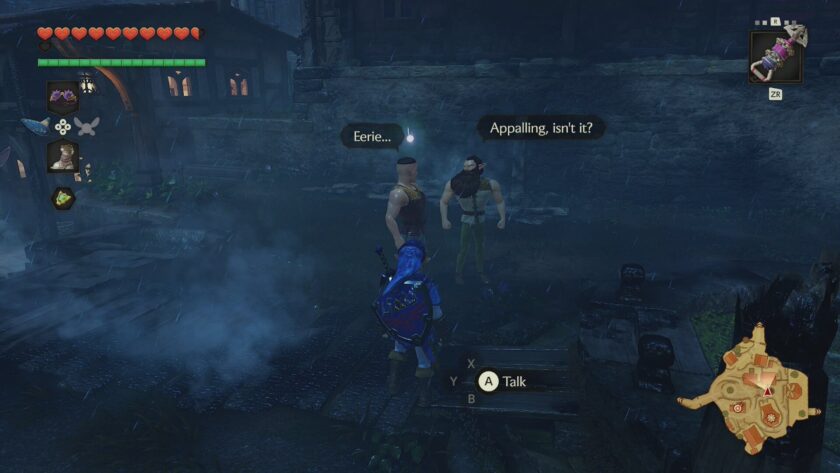
Of course the obvious overhaul is the graphics. We have gone from gorgeous polygons on limited hardware to extremely detailed environments and character models. Much like how I was never bothered by the polygons of Final Fantasy 7 on PS1, I feel indifferent to the graphical update. I think the important thing is the feel of the different areas and the rather animated look of some of the NPCS has been very much kept intact. Yes, it’s a fine new coat of paint. The foliage is gorgeous in this game, and you know I love my gaming plant life. If I were to nitpick something about the characters, it’s that their eyes just look a little off in places. Overall, it’s fine, and it will certainly appeal to any new fans looking to jump into the game.
The star, as always for me, is the music. The whole soundtrack has been remastered and tweaked, and it’s brilliant. The opening title screen, where Link rides the horse and the piano plays the Ocarina comes in, and the score just swells, is one of the few music pieces in gaming that hits my soul in the happy place.
Conclusion: Timeless
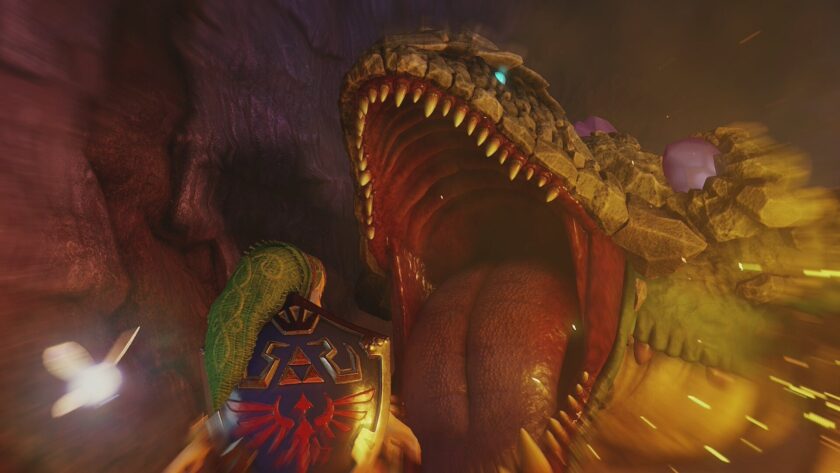
As mentioned at the start of this game, most Zelda fans have this game and will love it. Is this game worth trying for new fans? Absolutely. Even if you started with Breath of the Wild, Ocarina of Time is a timeless classic that still holds up today. The new gameplay tweaks are nice, the graphics are fine, and that dungeon in the graveyard is still super creepy. My biggest praise, as with the original, is how concise and relevant the pacing is. There wasn’t a moment where I felt bored or wanted to move on to something else. I was hooked to the end of the final sword thrust, and that’s honestly something so few games even achieve in this age.
Playing The Legend of Zelda: Ocarina of Time was like receiving a welcome home cuddle from a family I haven’t seen for years. They didn’t care where I had been or what I went through. They were just happy to have me. And I was happy to take their warm embrace. Cliché or not, The Legend of Zelda: Ocarina of Time is still a masterpiece, and whether you enjoy this or the original, I can’t recommend it enough.
Final Verdict: Two Thumbs Up
Do you like our content?
Subscribe to our daily news and never miss a review!