


Game: Culdcept BEGINS
Genre: Party, Adventure, Simulation, Board Game
System: Nintendo Switch 2 (Also on Steam (Windows) and Nintendo Switch)
Developer|Publisher: neos
Age Rating: EU 7 | US Everyone 10+
Price: US $54.99 | UK 44.99 | EU € 54,99
Release Date: July 15th, 2026
Review code provided with many thanks to Overload PR.
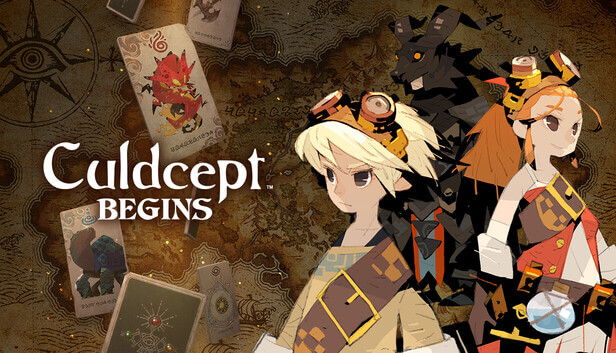
Culdcept BEGINS – Shouts its beginnings loudly
Culdcept is one of those series that has quietly existed for decades while somehow managing to stay just outside the mainstream. It first appeared back in the ’90s, has seen various releases over the years, and yet I’ve somehow never actually sat down to play one. I’ve always been curious about it, though, because the idea of mixing board games, card battles and strategy always sounded fascinating.
Culdcept BEGINS feels like exactly what its title suggests. It serves as a fantastic starting point for newcomers while still offering the kind of depth long-time fans are likely looking for. More importantly, it feels genuinely different. In a world full of deck builders and strategy games trying to imitate each other, Culdcept still has an identity all of its own.
More Than Just Monopoly With Monsters
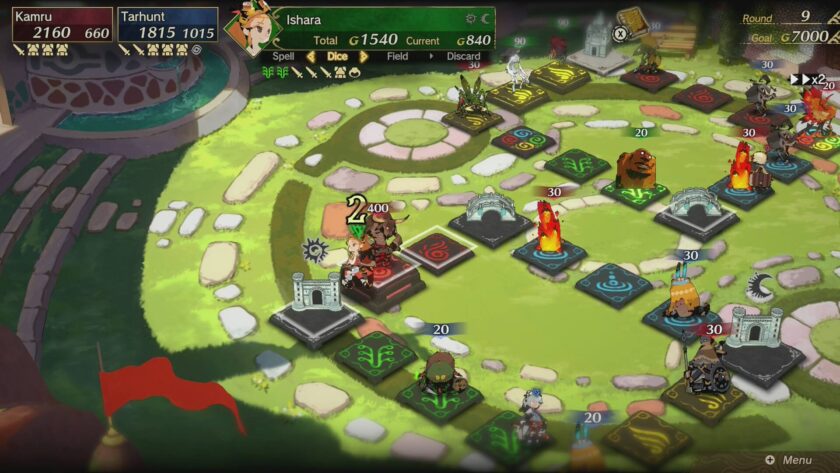
Trying to explain Culdcept on paper is surprisingly difficult because it’s borrowing ideas from several different genres at once. At its heart, it’s a board game. Players take turns rolling dice and moving around a board, aiming to reach a target amount of magic before returning to the castle to claim victory. Sounds straightforward enough. The twist comes from territories. Instead of simply buying property like Monopoly, you’re claiming land by summoning creatures from your deck. Once you’ve claimed a territory, that creature protects it. If another player lands there, they can either pay a toll or attempt to battle you for ownership.
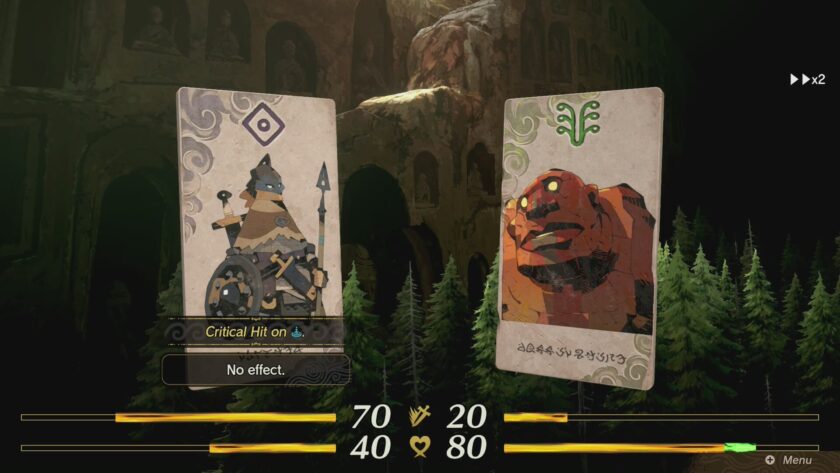
That’s where the card game side comes into play. Battles aren’t just decided by creature strength. You also choose support cards, items and spells to influence combat. Neither player knows exactly what the other has selected until both cards are revealed, creating some wonderfully tense moments where a battle can completely swing in an instant. There’s a surprising amount of strategy hiding beneath what initially appears to be a fairly simple system.
Every Turn Feels Important
What I really enjoyed was just how much thinking goes into every decision. Should I spend money upgrading my territory to increase its value? Should I save my powerful creature for later? Do I attack now or wait another lap around the board? Do I use my spell card to improve my own dice roll, or make life miserable for my opponent? Every turn presents another small puzzle.
On top of that, territories gain bonuses when occupied by creatures matching their elemental type, so positioning your monsters well becomes another layer of strategy. The game constantly asks you to think several turns ahead while also adapting whenever the dice decide to throw your plans into complete chaos.
Luck Plays Its Part
Being based around a board game means luck inevitably plays a role. Sometimes the dice simply refuse to cooperate. I’ve had matches where one poor decision early on, combined with unfortunate dice rolls, left me trailing for most of the game. Equally, I’ve had games where a few smart plays and a bit of fortune completely turned everything around. That unpredictability is part of the experience.
If you approach Culdcept expecting perfect competitive balance every single match, the random elements may frustrate you. If you approach it like sitting around a table playing a board game with friends, those unexpected twists become part of the fun.
Deck Building Without Overwhelming You
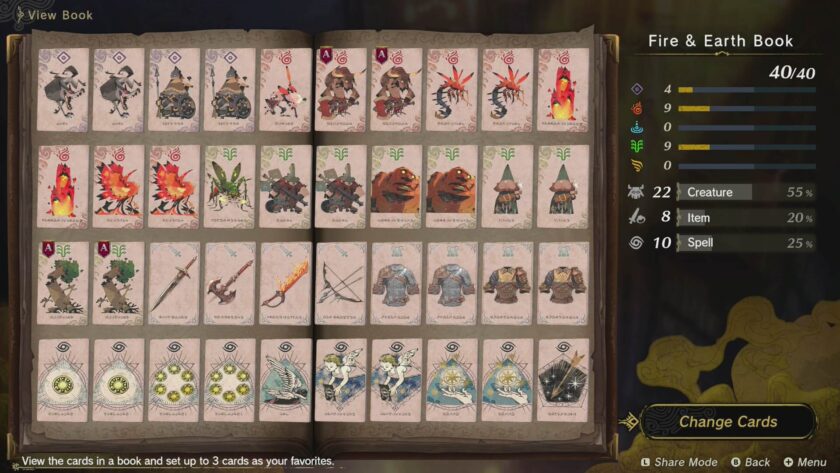
One aspect that initially looked intimidating was the deck building. There are over 400 cards available throughout the game, and eventually you’ll be creating your own custom 40-card decks. Fortunately, the game never throws everything at you immediately. The early hours provide perfectly usable starter decks while gradually introducing more mechanics, new cards and more advanced strategies. It never feels like you’re drowning in tutorials. In fact, I really appreciated how naturally the game teaches you. Often I’d discover a useful tactic through experimentation before the tutorial officially explained it later. That always feels satisfying because you’re rewarded for paying attention rather than simply following instructions. Eventually, the deck customisation becomes a huge rabbit hole for strategy fans, but newcomers can comfortably ease themselves into it.
Plenty To Do
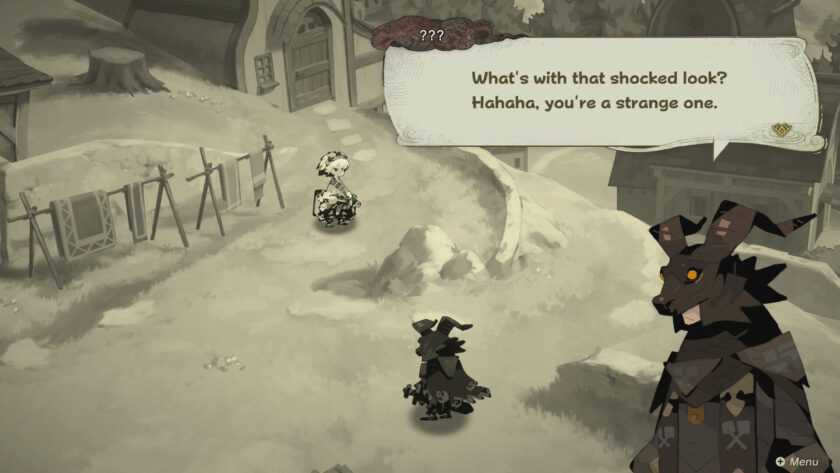
Most of my time was spent in the story campaign. The story itself follows Kamur, a new student at the Royal Cept Academy whose abilities quickly earn recognition as larger threats begin to emerge across the continent. The story wasn’t really what kept me playing. It’s a perfectly serviceable fantasy, but I found myself much more interested in reaching the next board than in seeing the next cutscene. Some of the earlier story scenes also feel a little longer than necessary. Thankfully, they’re skippable if you’d rather jump straight back into the gameplay.
Outside the campaign, there’s also online multiplayer for those wanting to test their decks against real players. Personally, I stayed away from that. Experienced Culdcept players would almost certainly dismantle my carefully assembled beginner deck within minutes. One feature I did really like was GameShare support on Nintendo Switch 2, allowing only one player to own the game while others join in using their own systems. The only thing I found slightly surprising was the lack of local pass-and-play multiplayer on a single console. For a game inspired by tabletop experiences, it feels like something that would have fit perfectly.
Lovely Presentation
Visually, Culdcept BEGINS has a lovely fantasy presentation. Rather than chasing flashy visuals, it opts for colourful hand-drawn paper-like artwork, beautifully illustrated cards and clean board layouts that remain easy to read throughout even busy matches. The monster designs are varied, the elemental themes are immediately recognisable, and nothing ever becomes visually confusing.
The soundtrack complements everything nicely, too. It’s relaxed, adventurous and never distracts from the careful thinking taking place at every turn. It’s a presentation style that values readability above spectacle, and I think that’s exactly the right choice for a strategy game like this.
Conclusion: Heart in the Cards and Board
Culdcept BEGINS feels like a wonderful reintroduction to a series that’s been quietly building a dedicated following for years. Its combination of board game mechanics, card battles, territory control and deck building creates something that still feels unique today. It has plenty of strategic depth without making newcomers feel unwelcome, thanks to its gradual learning curve and thoughtful tutorials.
Yes, luck can occasionally swing matches through unfortunate dice rolls, and the story isn’t quite as engaging as the gameplay itself. But neither of those issues stopped me from enjoying what Culdcept does best. If you enjoy thoughtful strategy games, deck builders or board games where every decision matters, there’s an awful lot to love here.
It’s clever, rewarding, wonderfully different, and after finally experiencing the series for myself, I can absolutely see why Culdcept has maintained such a loyal fanbase for all these years.
Final Verdict: I Like It A Lot.
Do you like our content?
Subscribe to our daily news and never miss a review!