

In the past couple of months, we had the survey: Video Games and Mental Health Live. Now it’s time to bring you the results! First, I want to thank everyone who participated. You have all been very open, and I appreciate that very much. Second, remember that this isn’t a scientifically or statistically proven article. I was very happy with the number of people who filled out the survey, but we aren’t talking about huge numbers. Just our faithful readers, exactly the way I had intended the survey. Let’s see what you all answered with that out of the way!
Public Opinion about Video Games
You know it, and I know it: playing video games isn’t the addicting and “bad for you” hobby that you have no doubt been told about growing up. Of course, it’s important that you play video games in moderation. Letting go of your work, your chores, or not interacting anymore with people around because you just want to game you isn’t good, and I don’t want to make light of that. But where I was always warned I would be a game addict if I stayed on this course, I have found that video games brought me nothing but joy, positivity and friendship.
Before we dive into what gamers think, I asked all of you what non-gamers around you think about playing video games. Only a minority of 9.4% feel it could help in training reflexes, memory, etc., and feel it could benefit mental health. Roughly a third of them feel that it’s a waste of time, but a large percentage (28.1%) don’t really have an opinion. Maybe opinions are gradually getting milder?

With that out of the way, let’s focus on our own opinion.
Playing Video Games is Relaxing
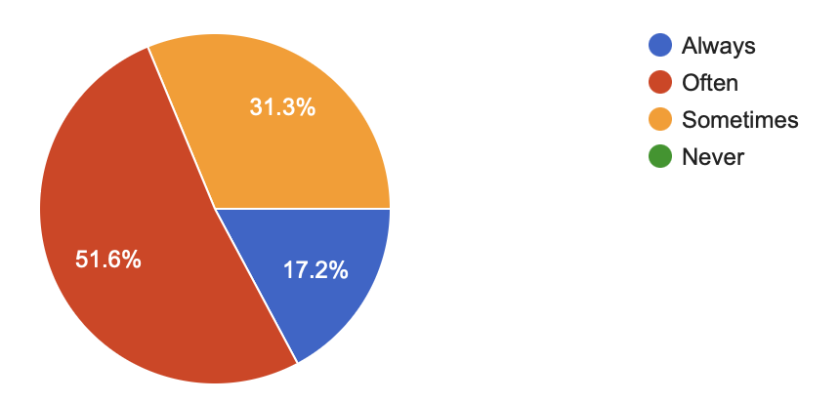
Do you feel more relaxed after playing a video game?
I asked you if you feel more relaxed after playing a video game of any kind. The majority, 51.6%, said often, while 17.2% were more adamant and said it always makes them relaxed. 31.3% were more hesitant with “sometimes”, but no one chose the “never” option.
I wondered if the relaxation factor is influenced by what you do in everyday life and what kind of work you do. So whether you tend to play games that are “opposite” to your work? For example, is someone who is often busy problem-solving a lot not enthusiastic about puzzle games?
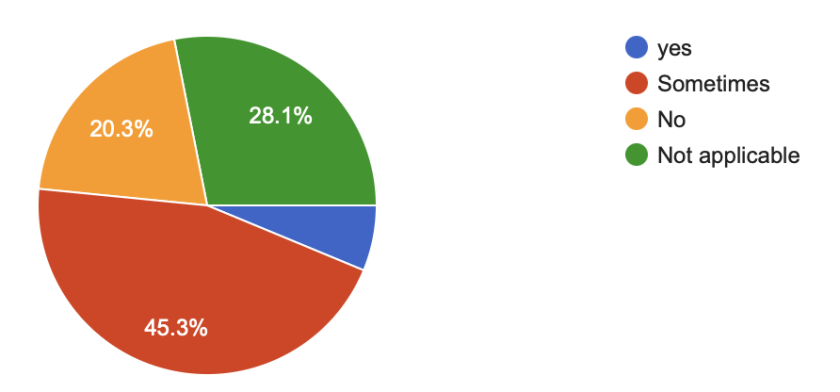
The results weren’t very clear. Most people did answer “sometimes” (45.3%), but very few (6.3%) answered a resounding “yes”. Apparently, losing yourself in a game that’s resembling what you do at work is no problem.
Which Game Components are Relaxing?
Roughly, the answers we got can be collected in several categories.
Gameplay elements
A game must include:
- Fine-tuned gameplay
- Interactive choices
- Low-stakes, no pressure to progress the plot
- Collecting things
- Achieving goals
- Building/creating something
- Exploration
- Completing tasks, even mundane ones
- Levelling up
- Upgrading equipment
- Unlocking things
- Investment in making the “world.”
- Pick up for short periods of time
- The need for focus
- Requires repetition
- Making progress
- Turn-based combat
- Flying
- Helping someone on a side quest
We can do without:
- Lasting negative consequences
- Stressful stealth or peril
- Player deaths
- Heavy-handed with timers
Visual and aesthetic qualities
- Charming, compelling, cute graphics
- Whimsical themes
- Relaxed music
- Good visuals
- Atmosphere
- Engrossing Environment
Relatable characters
- Sympathetic game characters
- Strong relationships between characters
- Positive attitude of the characters
- Lots of interaction with NPCs
Strong narrative
- Engaging
- Well crafted
- Immersive
- Relaxing story
These elements, of course, vary from person to person. But the general feeling when playing a game with the factors you are looking for is that you feel like you have achieved something. It’s a means to escape and to forget. It’s important that a game isn’t stressful, and that is certainly helped by a feeling of nostalgia, chill vibes and cosy and wholesome gameplay.
Improving Mental Health
There are several official studies that have proven that playing video games can be beneficial for your health. And I’m talking about mind and body: you exercise the brain, your reflexes are trained and your problem-solving skills. And when you play with others, your social skills are trained as well.
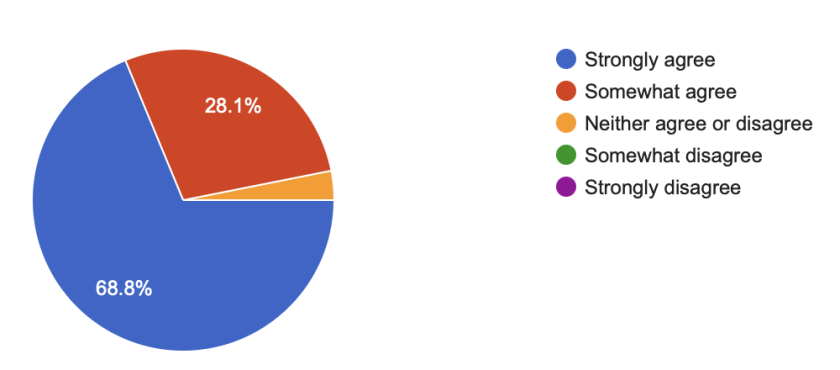
But what do you think? Do video games help improve your mental health? Looking at the graph above, almost everyone (96.9%) feels that playing video games does indeed help us, and the majority (68.8%) even strongly agree. A clear result. But is it also the main reason that you play games?
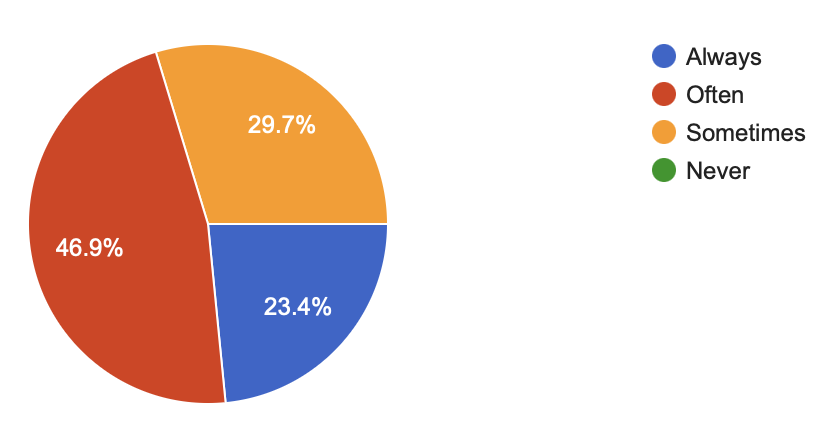
The fact that it’s perceived as helpful to improve your health or relieve stress doesn’t mean we use playing video games for that. You can also play games for fun as we find it relaxing, as we saw in the chapter above.
Still, everyone either chose Always, Often or Sometimes. No one filled in Never, so all of our respondents picked up their video game with the primary reason of relieving stress or improving their mental health.
Effect on Mental Health: Our Readers’ Experience
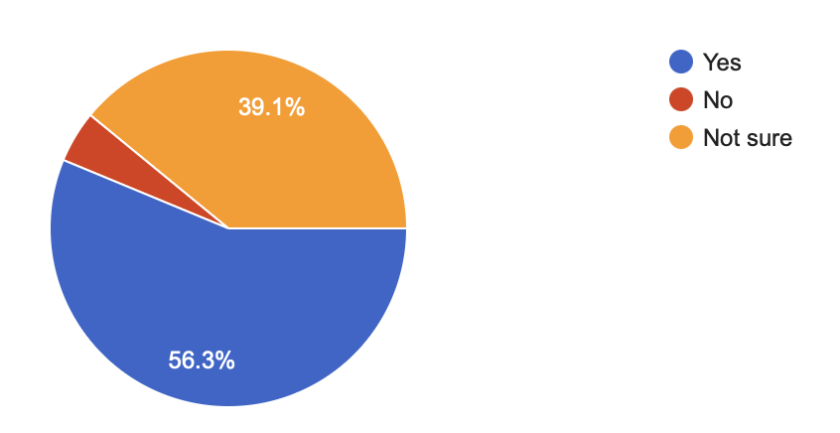
With so many people using gaming devices to feel better mentally, I asked if you have personal experience. 56.3% said yes, only 4.7% said no, and the other respondents weren’t sure.
When asked to elaborate, I was awed and impressed by the examples the people who had answered “yes” gave. There were some answers that made me want to reach out and give a warm virtual hug…..Of course, I won’t go into detail here. Instead, I have tried to categorize the answers, and most fell into one of the general categories below.
Gaming helps to take my mind off of real life; it helps me not to have to think anymore and escape.
Being able to do things in games that one can’t do in real life, either due to COVID or physical health issues
Playing games is a safe haven where the environment won’t judge or ask for impossible things.
Instead of meditating or exercising, playing games is much more useful to re-center, step away and unplug
Video games make us feel good, and they bring us peace of mind. It even helps with the Sunday Scaries!
Playing Alone or Together
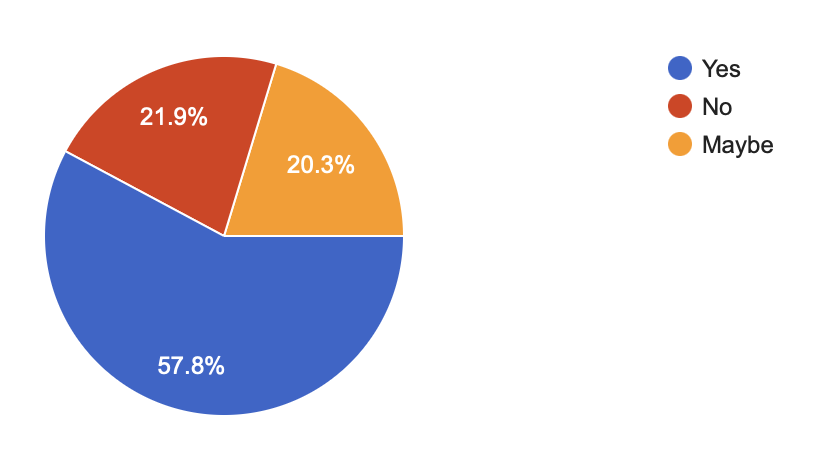
When playing video games is good for your mental health, I wondered if playing together with others can be a component to avoid when you’re not feeling on top of the world.
In general, 57.8% said yes to this question, and 20.3% gave a maybe. For 21.9%, it didn’t make a difference. When asked to elaborate, one reason to play with others is the need for socializing, and having the same passion for a game is a great way to connect. People write that even playing with total strangers alleviates the loneliness and makes one feel more competent and happier: the feeling that someone chooses to play with you can bring that on. And the past pandemic, where people were cut off from their loved ones and friends, meant that gaming together was a great way to be together, even if only virtually.
On the other hand, some people tend to avoid playing with others when they are not in a good headspace. They find playing alone relaxing and a way to escape from the real world, which seems much harder to do when playing with others. Playing with others can be huge fun but is much more energy-consuming. Much like an example that was mentioned: going to a concert with friends is lovely but also tiring while listening to music on your own is very relaxing. I guess it all comes down to balance.
Some people prefer to play with people they know in their inner family and friends circle and don’t feel secure enough to play with people they don’t know as well. It can bring on social anxiety as you have to play by social rules that aren’t always visible. It has a very different effect on how much energy you need.
A nice response that I recognise is that it’s fun to play the same game as your friends, even if it doesn’t mean you play online together. Just having something so fun in common works!
Experience with Negative Attitudes
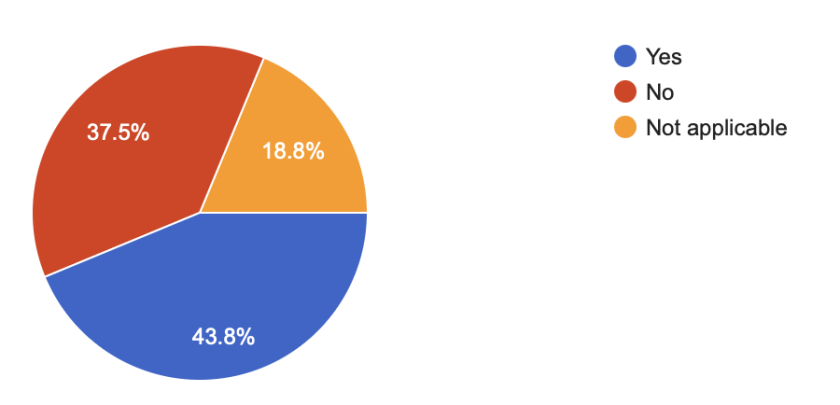
I had expected some examples of people not feeling safe playing with strangers online; it’s no secret that there are toxic environments out there and people who love trolling and deliberately disrupting things. Sadly, 43.8% have experience with that, and if you exclude the people who don’t play online, that is even the majority of responders. Fortunately, when asked, a big majority of people (61.3%) said it was no reason to give up on a game.
A couple of comments in the open answers about playing together or online stood out to me. One reader said that she didn’t always play online because, as a female gamer, she is not always welcome in a group setting. Another responder said that they tried staying in friendly online spaces. I’m pretty sure a lot of you recognise that, and it’s something that is getting better, but apparently not fast enough. There’s still some way to go!
Avoid or For a Pick Me Up
Genres to Avoid
We asked you if you avoid certain games when you’re not in a good headspace. And sure enough, the majority of people said Yes (53.1%) or Sometimes (18.8%). A little over a quarter (28.1%) stated that it doesn’t matter to them; they don’t avoid certain games.
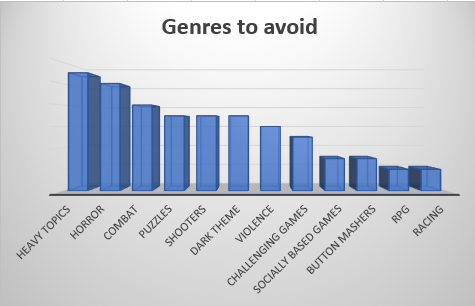
I had expected horror games, combat and shooters to feature in this question, but I hadn’t expected puzzle games! And, of course, games that have a storyline that’s heavy or very emotional can often hit too close to home.
Genres for a Pick-me-Up
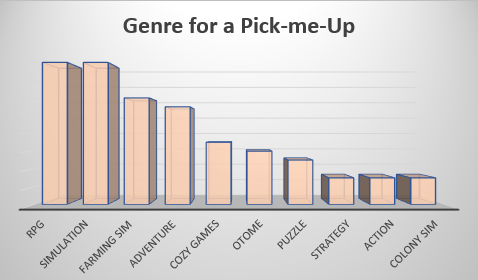
Which genres does our audience play then to relax and feel better? Various sorts of games were given, but these in the graph below were named most often. Simulation games are often mentioned, and as they offer very different gameplay, I decided to categorize farming sims and colony-building sims separately from general simulation games. It’s funny to see that one person’s avoid genre is another person’s pick-me-up, like in RPGs and puzzles!
Recommended Games
You could all put a game or a couple of games forward as the perfect game that makes you feel better when playing it. As expected, there are just about as many answers as there were responders. After all, we each have our own taste in gaming. The same goes for feel-good games.
There were a couple that stood out as they were chosen very often, no doubt a result of the fact that these are the games we feature often. Because, after all, it’s our audience that filled out the survey. The top 3 were:
- The Animal Crossing series (24%)
- Stardew Valley (7%)
- Joint third place: The Sims series/ Disney Dreamlight Valley/ Tetris games (each 4%)
It’s good to see that a lot of indie titles were named as well, like A Short Hike, Coral Island and Alba: a Wildlife Adventure, to name a few.
Focus on Animal Crossing

In the survey, specific questions about Animal Crossing were included. And looking at the list of recommended games, you might think this can’t be a coincidence. I assure you that it is; I had already read up on the fact that Animal Crossing: New Horizons was the go-to game of many people when facing lockdown.
First of all, I asked you if you ever played any of the Animal Crossing games. 84.4% said yes, and 15.6% hadn’t ever played it. Focussing on the people who are familiar with the game, I asked whether they agreed with a couple of statements:
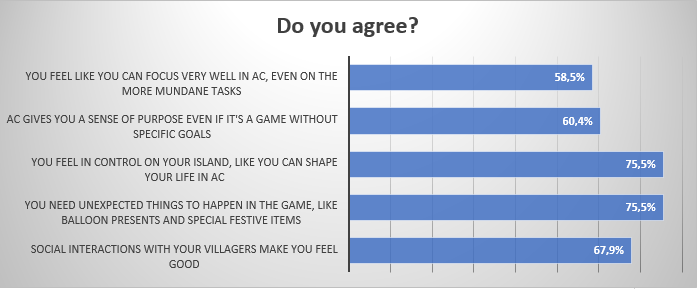
All of them scored high: managing our own island (or town, when you are playing an older game) gives us a feeling of being in control and gives us a sense of purpose and focus. It makes us feel good to have social interactions with villagers and to experience unexpected things or festivals.
This doesn’t mean, by the way, that everyone feels the same way about the game. People also responded that they don’t like the pressure to be social with the animal neighbours or even the pressure to do all the things that needed to be done in Animal Crossing.
Did AC Help You Through the Pandemic?
The last question was if playing Animal Crossing: New Horizons, which was released at the start of the COVID-19 pandemic and the ensuing lockdowns, helped you in any way. There were a lot of heartwarming responses about how the game helped. I’ll highlight some:
The game provided a new way to bond with people we couldn’t see anymore due to COVID. Playing with friends and chatting together while doing so.
Feeling a huge connection with the animal neighbours, maybe even more so than usual. Like feeling that someone really cared when you were forced to celebrate your birthday alone and have the animals throwing a party for you.
Having the same routine every day kept stability to the days when there wasn’t much else to focus on. This was a reason to get up in the morning and keep a schedule that one really needs to function well.
Being able to shut world issues out and create a nice little world of your own, Animal Crossing brings cheerfulness to an otherwise dreary world. With all the awful things happening all around, it was a good game to escape.
I think this comment sums it up nicely:
A perfect game at the perfect moment in a lifetime.
Those were the results of the survey Video Games and Mental Health. Thanks for participating!