


Game: The Rogue Prince of Persia
Genre: Action
System: Nintendo Switch 2 (also on Windows (Steam), Xbox and PlayStation)
Developer|Publisher: Evil Empire | Ubisoft
Age Rating: EU 12+ | US Teen
Price: US $29.99 | UK £24.99 | EU € 29,99
Release Date: December 16th, 2025
Review code provided with many thanks to Press Engine.
The Rogue Prince of Persia: A Familiar Prince, With a Roguelike Twist
I’ve always had a soft spot for the Prince of Persia series. Like some players, my earliest memories go all the way back to the classic games (in particular the Game Gear), where every jump, trap, and sword fight felt like life or death. Over the years, the series has taken many forms, from classic platformers to big 3D adventures.
Now we have The Rogue Prince of Persia, which takes the series in a slightly different direction by blending the Prince’s acrobatic style with a roguelike action structure.
Developed by Evil Empire, the team behind the stellar Dead Cells, the inspiration is clear right away. This game carries a lot of that same fast-paced design, but it adds a distinctly Persian flavour through its setting, movement style, and world design. The result is a game that feels familiar to fans of roguelikes while still carrying the identity of the long-running series.
A Prince Trying to Win One Mistake at a Time
Persia is under attack from a powerful invading army, and the Prince rushes into battle to defend his kingdom. Unfortunately, things don’t go particularly well for him.
After being defeated early on, the Prince discovers a mysterious pendant that gives him the power to return to life after death. Each time he falls in battle, he wakes up again at the beginning of his journey, but with the memories and progress from his previous attempts intact. It’s a clever way to explain the roguelike structure. The Prince is essentially stuck trying again and again to prevent the fall of his kingdom.
Narratively, the game keeps things light. There are a few conversations with characters you meet along the way, and some brief reflective moments where the Prince comments on items or memories from his past. None of it gets in the way of the gameplay, which is clearly the main focus here.
Fast Movement and Wall-Running
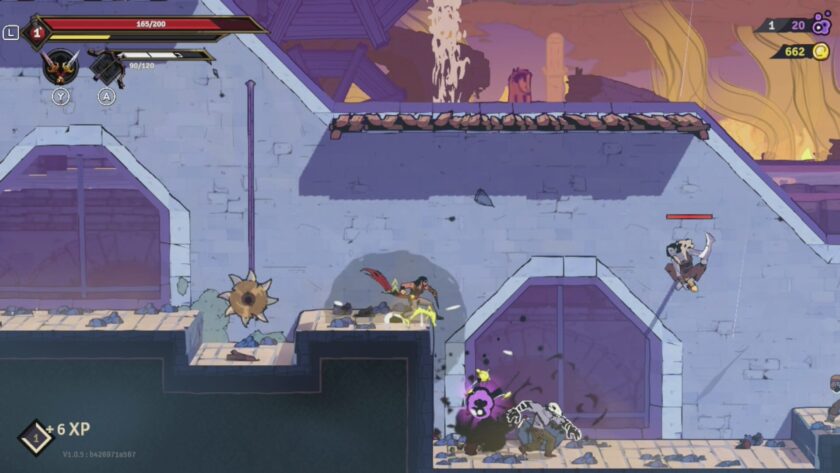
This is a game all about fast movement and acrobatics. The Prince is quick, agile, and constantly in motion. You’ll be jumping between platforms, dodging traps, and sprinting across levels while fighting enemies along the way.
One mechanic that appears early is the ability to run along walls in the background. By holding a trigger button, the Prince can sprint along vertical surfaces to avoid danger or reach higher ground. It’s simple to use but adds a nice layer to both combat and exploration.
Combat itself is fairly straightforward. You attack, dodge incoming strikes, and look for openings. It’s responsive and easy to get into, which suits the fast pace of the game. Over time, you’ll discover additional weapons and abilities that slightly change how each run plays out.
Roguelike Way
As expected from the genre, the core loop revolves around running through multiple areas. Each attempt sends you through a series of interconnected stages before eventually leading to a boss fight. If you fall during the run, you start again from the beginning, but you’ll carry knowledge and the chance to unlock new items in the main hub area, provided you have currency to pay. Over time, the Prince becomes stronger, making it easier to push further through the game.
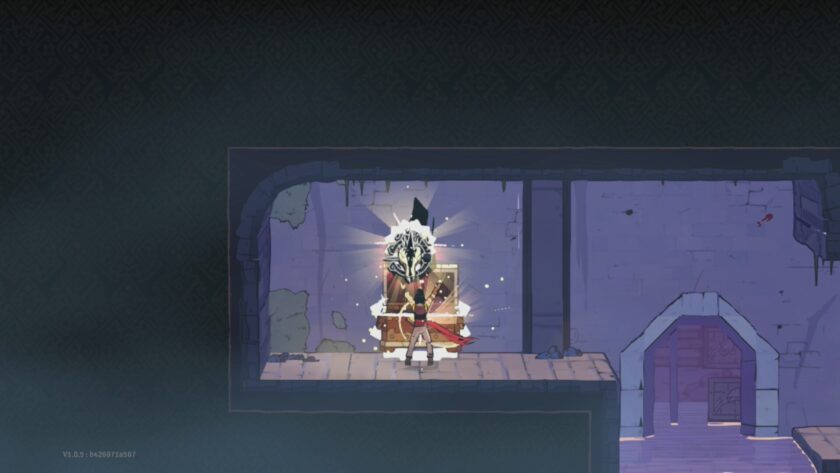
During each run, you can pick up different weapons and medallions that alter your abilities. Some grants are helpful buffs, while others come with drawbacks that force you to weigh the benefits carefully.
One feature I appreciated is that the levels aren’t strictly linear. There are often multiple routes you can take through an area, which adds a bit of variety when replaying runs.
Boss Battles
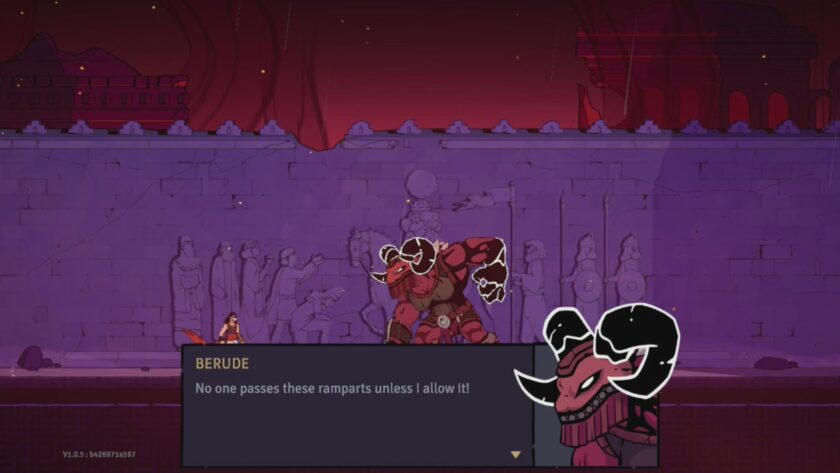
Boss encounters are the real checkpoints of progress here. They’re large, dramatic fights that require learning patterns and reacting carefully. These battles can take multiple attempts to overcome, particularly early on when your upgrades are limited.
For some players, this gradual process of learning a boss and slowly improving will be exactly what they enjoy about roguelikes.
Personally, I did find the bosses leaning heavily into the “big health bar” approach. They take a long time to defeat, especially in the early hours when your damage output is still quite low. It’s not necessarily bad design; this style has worked well in many games, but it does mean you’ll likely face the same boss several times before finally pushing through.
Somewhat Shade of Cel
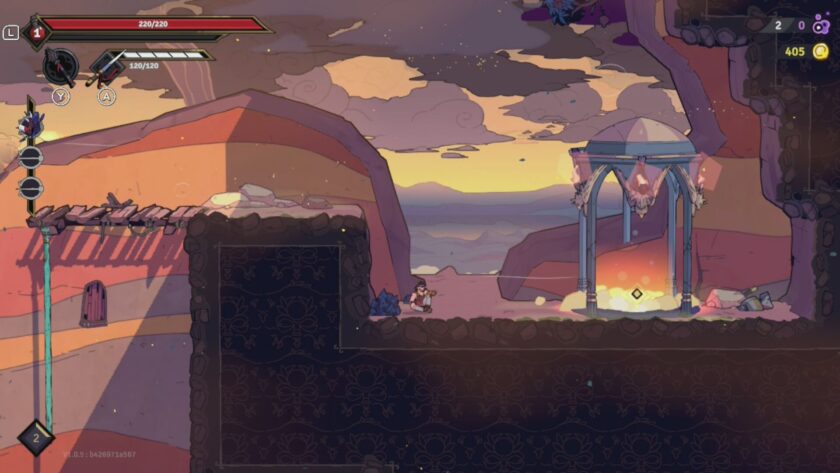
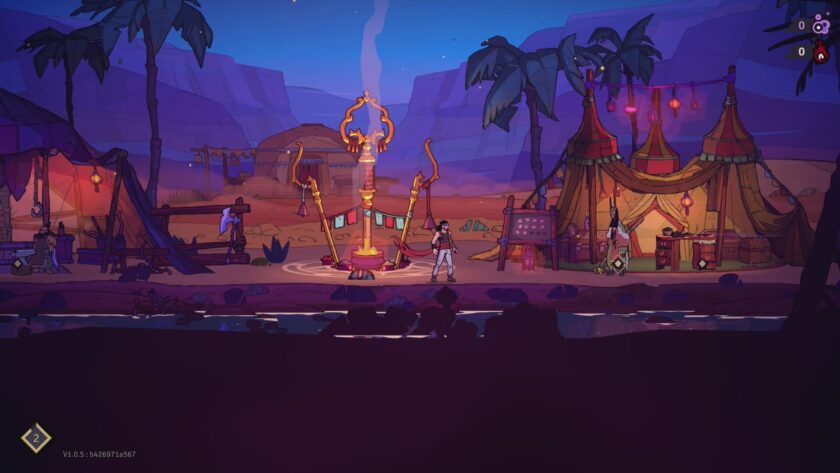
Visually, the game adopts a colourful, stylised art direction. Characters and environments have a cel-shaded look that gives the world an almost comic identity.
You’ll travel through desert battlefields, aqueducts, and other Persian-inspired locations. The environments are bright and expressive rather than overly dark or gritty, which helps the world feel lively.
The soundtrack supports the action nicely as well, especially during combat and boss encounters where the tempo picks up.
Conclusion: Turning Back the Clock
The Rogue Prince of Persia is a solid action game that successfully blends the series’ acrobatic style with a roguelike structure. Movement feels great, combat is responsive, and the progression loop keeps you coming back for another run. Fans of the genre will likely feel right at home here.
At the same time, players who have already spent a lot of time with roguelikes, particularly games like Dead Cells, may notice how closely the formula is followed. It doesn’t reinvent the genre, but it executes its ideas well. For newcomers to roguelikes or long-time Prince of Persia fans curious about a new take on the series, this is well worth checking out. It might take a few attempts, a few defeats, and plenty of retries, but helping the Prince fight his way back to victory is still an adventure worth taking.
It’s also worth mentioning that a physical version of the game is available, which collectors and fans of physical releases will certainly appreciate.
Final Verdict: I Like it a Lot
Do you like our content?
Subscribe to our daily news and never miss a review!