


Game: Kazuma Kaneko’s Tsukuyomi
Genre: Strategy, RPG, Board Game
System: Nintendo Switch
Developer|Publisher: COLOPL
Age Rating: EU 12+ | US Teen
Price: US $19.99 | UK £22.49 | EU € 19,99
Release Date: April 23rd, 2026
Review code provided with many thanks to Press Engine.
Kazuma Kaneko’s Tsukuyomi – Detectives And Demon Cards
Kazuma Kaneko’s Tsukuyomi throws you into a futuristic Tokyo mystery where paranormal investigators are sent into a sealed megastructure overrun by strange entities. The premise is fairly dramatic, but the game presents it in a way that still keeps things light and entertaining.
You play as members of an elite organisation known as the Tsukuyomi, tasked with entering a massive tower called The Hashira. The building has been cut off from the outside world and is now filled with supernatural creatures known as Jinma. Naturally, the best way to deal with these demons is… a card battle.
Yes, it’s one of those wonderfully odd anime-style ideas where the solution to a supernatural threat involves tactical card duels rather than swords or guns. It might sound a bit silly on paper, but the game fully commits to the concept and ends up making it work.
Story segments appear in short bursts as you progress through runs. Characters appear as illustrated stills while bits of dialogue explain the situation, introduce strange events, or add a bit of personality to the world. The tone walks a fine line between serious investigation and slightly goofy anime storytelling, which honestly feels quite fitting.
One moment you’re investigating a tower helping its inhabitants, the next you might run into bizarre scenes like rows of heads stored in glass jars attempting to summon demon Nobunaga. It’s unpredictable, a little strange, and quite entertaining.
Climbing The Tower
Gameplay in Tsukuyomi follows a roguelike structure. Each run sends you exploring the floors of the massive tower, searching for the path upward while dealing with enemies and events along the way.
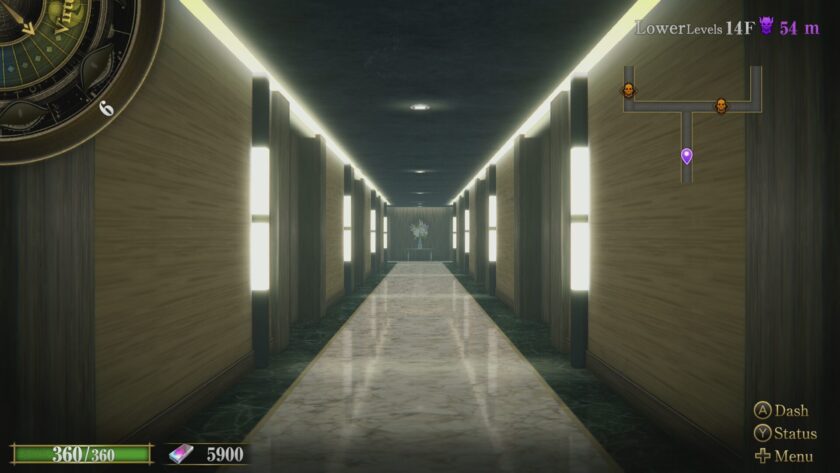
Movement itself is fairly simple. Your character automatically walks through corridors until you reach a junction where you must choose which direction to go. A small map in the corner gives hints about what might lie ahead, perhaps a battle, a random event, a shop, or even a place to rest. Choosing your route becomes a small strategic decision. Sometimes you might want to seek out combat to improve your deck, while other times avoiding danger might be the safer option.
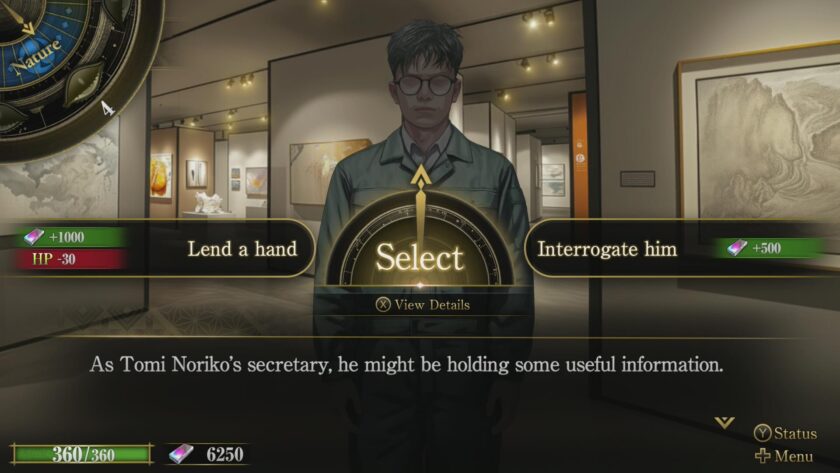
Random events are also scattered throughout the building. These often present little story scenarios where you must make a choice. Some options clearly show the outcome, such as gaining health, currency, or a card upgrade, while others leave the result unknown. I liked this mixture. Knowing the outcome lets you plan ahead, but the occasional mystery option keeps things interesting. Just like a good detective story.
Fast And Focused Card Battles
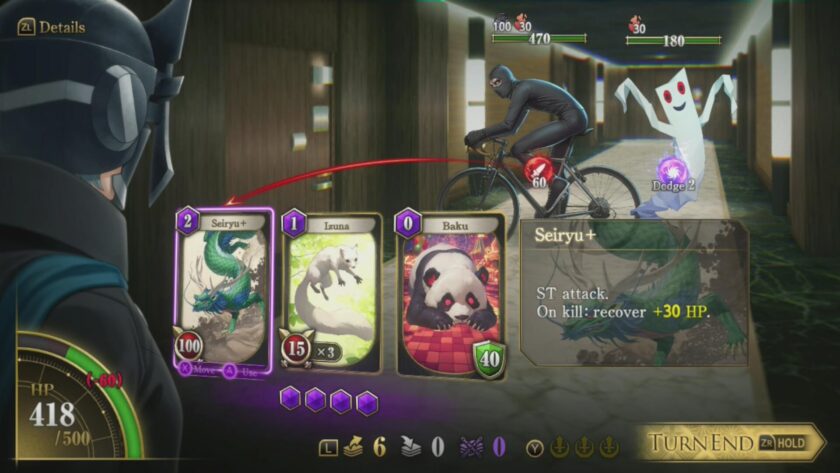
The combat system is where Tsukuyomi really hits. Unlike many card games that throw a massive rulebook at you, this one keeps things surprisingly accessible. Each turn, you draw three cards, and those cards can represent attacks, defensive moves, or special abilities.
Enemies telegraph their attacks with arrows showing where they plan to strike. That means you can decide how to focus your attention. Placing the right defensive card in the correct slot can block incoming damage entirely, while offensive cards chip away at enemy health. Many cards also include bonus effects. Some may heal you slightly, others apply status effects or increase damage under certain conditions. Duplicate cards drawn tend to have a helpful habit of chaining attackers together. It doesn’t take long before you start spotting combinations that work well together.
Despite being easy to learn, there’s still plenty of strategy here. Deciding when to defend, when to push for damage, and how to manage your limited hand creates a satisfying tactical rhythm.
Building A Better Deck
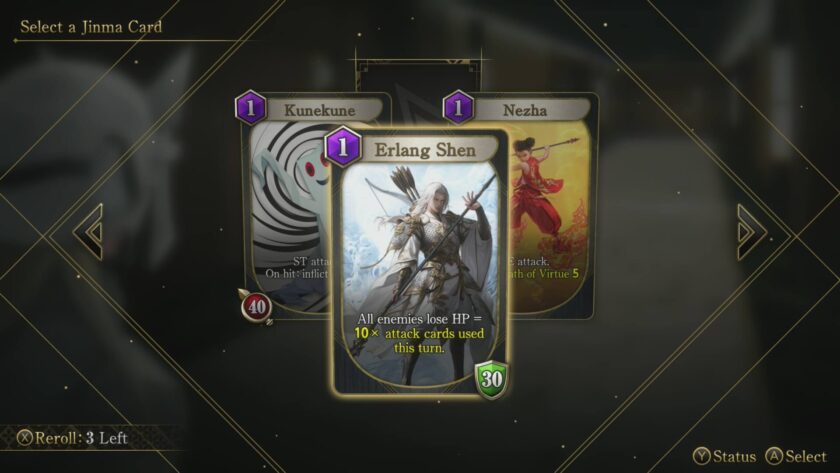
As you climb the tower, you’ll constantly be expanding and refining your deck. Winning battles lets you choose new cards to add to your collection, while certain events allow you to upgrade or modify existing cards. Vendors occasionally appear as well, giving you the chance to buy additional options. Sometimes you can even sacrifice cards to strengthen others, which adds another layer of decision-making.
Different Tsukuyomi characters also come with their own starting decks and playstyles. That variety makes experimenting with new runs quite enjoyable. The roguelike structure works well here too. Even when a run ends in defeat, you still level up and unlock items to find in future runs, encouraging you to jump back in and try again.

Style And Presentation
Visually, Tsukuyomi has a strong anime-inspired aesthetic. The demon designs in particular stand out with their supernatural flair and haunting presence. Character art, however, can feel a little simpler by comparison. Some of the side characters look fairly basic, which makes them less memorable than the creatures you’re fighting.
One aspect worth mentioning is that the developers have been transparent about using generative AI in parts of the game’s visual and audio creation. That’s a topic that tends to spark heated debate in the gaming community, but rather than turning the review into a big discussion about AI itself, I’ll simply say the results here are decent but not spectacular. The artwork does its job, but it didn’t particularly stand out as exceptional.
The soundtrack leans into a futuristic Tokyo vibe, mixing electronic sounds with dramatic tones. It fits the setting well enough, even if it isn’t something that stuck in my head long after playing.
Conclusion: Case Closed
Kazuma Kaneko’s Tsukuyomi ended up being a pleasant surprise. At first glance, it might look like just another roguelike card battler, but its approachable mechanics and fast-paced battles make it very easy to jump into. The runs move quickly, the card system is simple to understand, and building new deck strategies along the way is genuinely fun.
The story presentation is quirky in that unmistakable anime style, and while the visuals aren’t particularly groundbreaking, the overall package still has plenty of personality. Most importantly, the game respects the player’s time. Runs are short enough to fit into quick sessions, yet there’s enough strategy and replay value to keep you coming back for another climb up the tower.
If you enjoy card-based strategy games or roguelike progression systems, Kazuma Kaneko’s Tsukuyomi is definitely worth drawing from the eShop.
I went into this expecting a fairly standard deck-building game. I came away enjoying it much more than I thought I would.
Final Verdict: I Like it a Lot.
Do you like our content?
Subscribe to our daily news and never miss a review!