


Game: MIO: Memories in Orbit
Genre: Adventure, Action, Platformer
System: Nintendo Switch 2 (also on Steam (Windows), Xbox, Nintendo Switch and PlayStation)
Developer|Publisher: Douze Dixiemes | Focus Entertainment
Age Rating: EU 7+ | US Everyone
Price: US $19.99 | UK £16.99 | EU € 19,99
Release Date: January 20th, 2026
Review code provided with many thanks to Indigo Pearl.
MIO: Memories in Orbit – Familiar Genre But Good
It’s the start of the year, which usually means a steady flow of 2D adventure games making their way onto our screens. Or Metroidvania, as the cool kids say, but every so often, one comes along that reminds you why the genre still works so well. MIO: Memories in Orbit is that reminder.
At its core, it’s a familiar setup. A sprawling interconnected map, abilities that slowly open up new paths, and plenty of secrets tucked away just out of reach. Yet despite treading well-worn ground, MIO consistently gets the fundamentals right. Thanks to its gorgeous presentation, excellent soundtrack, and smooth, confident controls, it stands out as one of the stronger entries in the genre.
A Lonely Robot in a Forgotten World
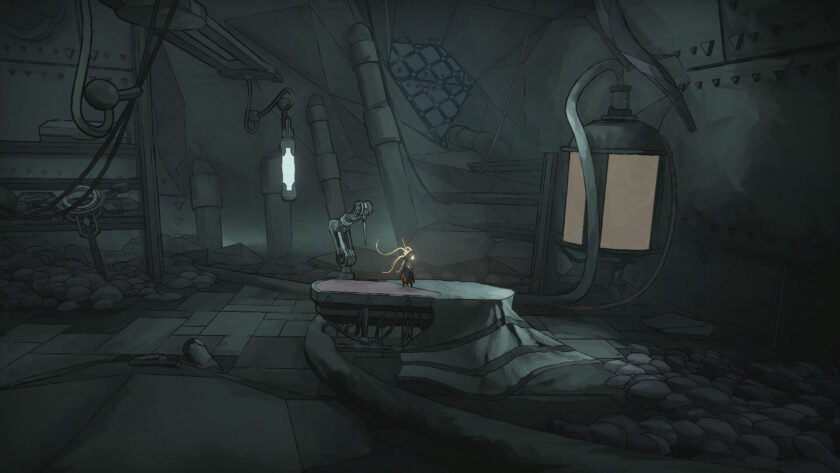
You play as MIO, a small and endearing robot who wakes up aboard the Vessel, a colossal spaceship drifting silently through space. Its original purpose is long forgotten, its civilisation vanished, leaving behind only broken machines and robots barely clinging to function. There’s a quiet sadness to the world, but also a sense of hope, as MIO becomes the one chance to restore power and bring life back to this decaying ark.
The narrative unfolds gently. Nothing is forced on you, and much of the lore is optional, discovered through exploration and conversations with other robots. If you choose to engage with it, there’s a surprisingly emotional story beneath the surface, one that fits perfectly with the game’s tone and setting.
Exploration
MIO doesn’t hold your hand when it comes to exploration. Early on, you’re simply dropped into the Vessel and encouraged to wander. Eventually, a map system helps highlight unexplored areas, but I often found myself ignoring it and just following my curiosity instead. The Vessel is a joy to explore, with each new section offering a different atmosphere, layout, and visual identity.
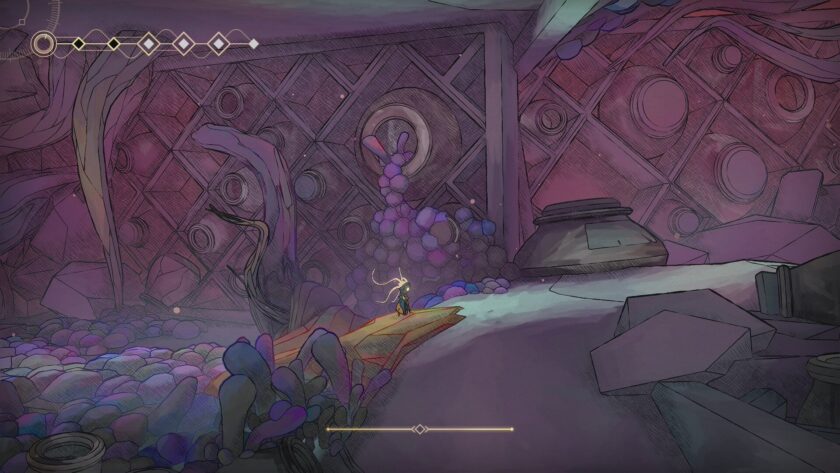
Despite taking place entirely on a spaceship, the environments feel varied. Some areas are overgrown with vegetation, others feel cold and mechanical, and many look like they’ve seen far better days. There’s a real sense of a world that has fallen apart beautifully, and it’s consistently engaging to move through.
Looks and Sounds Incredible
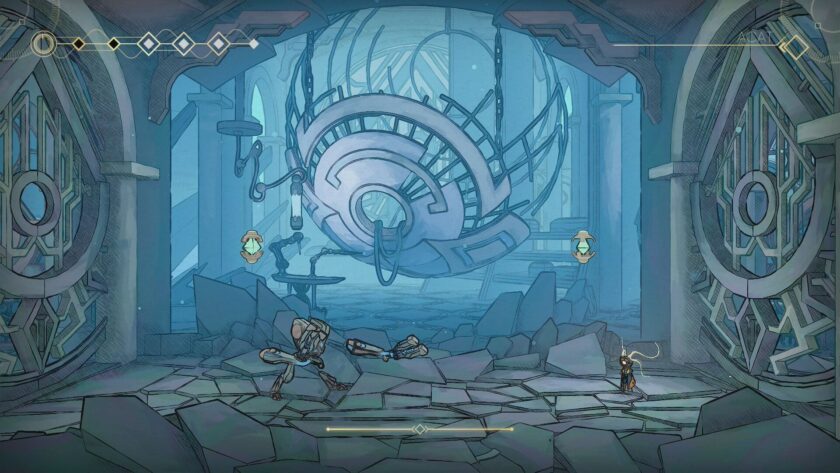
Visually, MIO: Memories in Orbit is stunning. Although gameplay takes place on a 2D plane, the environments are rendered in detailed 3D, giving the world real depth. The art style leans into soft, pastel-like tones, with a gentle futuristic aesthetic that makes every area a pleasure to look at.
The soundtrack is easily one of the game’s highlights. It’s mellow, emotional, and quietly hopeful, perfectly matching the game’s mood. It’s the kind of music you can imagine listening to outside of the game, and it does a fantastic job of pulling you into the experience without ever becoming distracting. Hopefully, it will be available to purchase in the near future on Steam. Hint, hint.
Smooth Platforming and Solid Combat
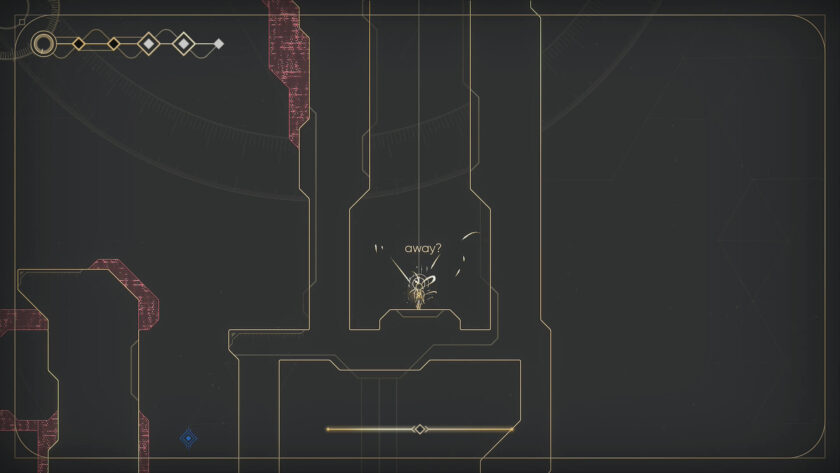
Platforming is where MIO truly shines. Movement feels fluid and precise, with jumps, slides, and abilities all responding exactly as you’d expect. Unlocking new traversal tools, such as grappling or wall-clinging abilities, feels fantastic, and the game does a great job of teaching you how to use them through clever, almost puzzle-like tutorial segments that shift the graphical tone to something more computerised.
Combat is serviceable rather than spectacular. It works well enough, especially during boss encounters where observation and timing matter more than brute force. Enemy patterns are readable, and boss fights usually take a few attempts to fully understand, at least for me; they did. While combat doesn’t quite reach the same heights as the platforming, it never feels broken or frustrating on its own.
Upgrading
Defeated enemies drop resources used for upgrades, but this is where MIO introduces a Souls-like twist that I wasn’t particularly fond of. If you die, you lose all unbanked resources and are sent back to the last save point. While there is a way to prevent resources from being lost, it requires finding the right robot, and even finding this may lead to my demise anyway.
Personally, I’ve grown tired of this kind of design. It often made me question whether engaging in combat was worth the risk, especially since I died fairly often. Some players will be fine with this, but for me, it felt unnecessary and occasionally discouraging.
That said, the game does include accessibility options, such as health regeneration when standing still and adaptive difficulty for bosses, which helps soften the experience for those who struggle. It’s a mild niggle in an otherwise great experience.
Conclusion: Fresh New Hope
Despite a few niggles with its progression system, MIO: Memories in Orbit is a wonderful adventure. It looks beautiful, sounds incredible, and feels fantastic to play. The platforming is excellent, exploration is rewarding, and the world is rich with atmosphere and quiet storytelling.
If you’re not completely burnt out on the genre, or if you’re feeling that familiar itch to dive back into a thoughtful, well-crafted adventure, this is absolutely one to keep on your radar. MIO is a game that shows there is hope when all seems lost.
Final Verdict: I Like it a Lot 
Do you like our content?
Subscribe to our daily news and never miss a review!