



Game: Europa
Genre: Action, Adventure, Indie
System: Steam (Windows) (also available on Nintendo Switch)
Developers | Publishers: Novadust Entertainment | FutureFriends Games
Controller Support: Yes
Steam Deck: Playable
Price: US $14.99 | UK £12.79 | EU € 14,79
Release Date: October 11th, 2024
A review code was provided, and many thanks to Future Friends Games.
Europa, from indie developer Helder Pinto, is a peaceful and meditative adventure game with a gorgeous art style inspired by Studio Ghibli films. The game was first announced during the Wholesome Snack Stream in 2022, alongside the first gameplay trailer.
Europa invites you into a world unlike any other; it is a serene, post-apocalyptic future in which human civilisation has long vanished.
Narrative and Storyline of Europa

Set on an idyllic, terraformed moon orbiting Jupiter, the game puts you in the shoes of an android named Zee. You’ll explore the remains of a world that was once bustling with life. Europa is a minimalist adventure that focuses firmly on exploration, peacefulness, and visual storytelling.
As Zee, you’re piecing together fragments of what happened to this moon and why it was abandoned. The environment and subtle clues spotted on your journey tell the tales. On your travels, you’ll also find pages of a journal lying around. Each time you find a page, you can listen to the narrator read it, and you learn more about the storyline. I like the way the story is drip-fed to the player through pages of the journal with illustrations, and the character Adam, who reads the notebook pages to you, does an excellent job of narrating it.

The moon feels like a place where technology has returned to the earth, where the wild has reclaimed human creations. As Zee explores, you gain a sense of the legacy left behind by those who once lived here, yet there’s also a feeling of hope and renewal as nature flourishes in their absence.
Gameplay and Exploration

The gameplay in Europa mainly centres around exploration and platforming. It’s a peaceful game, as there isn’t any combat, though there are dangers that Zee must take care of. Zee is an incredibly agile young android helped along by his Zephyr jetpack, which boosts Zen to great heights in the air until he can flow freely into the sky; the Jetpack can be upgraded to help Zee soar higher.
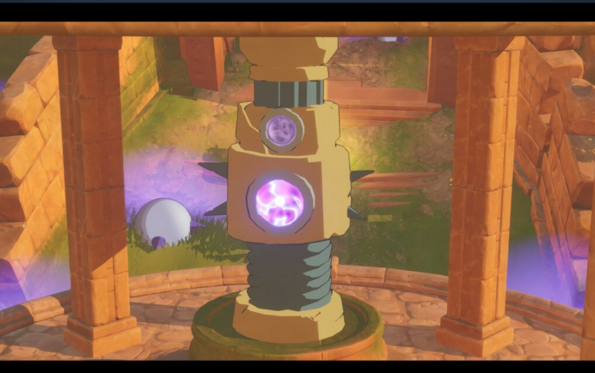
Zee’s movement throughout the gameplay feels very fluid and natural. Jumping, gliding, and climbing by using the levitating and gliding buttons through the environments feels smooth and very satisfying, giving you the freedom to explore at your own pace. Zee can also slide down hillsides, and there are many large blue orbs to refuel Zen’s Zephyr Jetpack.
The way Zee moves is one of the game’s features I like the most; maybe Zee would like to lend me some of his body parts to replace my old body parts that don’t work the best anymore. I’d love to be able to fly like Zee.
Light Puzzle Elements
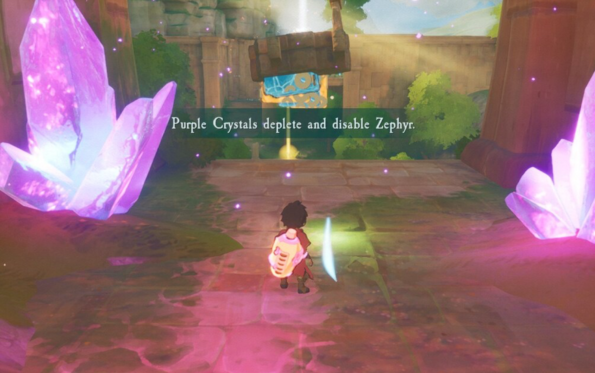
There are light puzzle elements, such as lighting lanterns to open doors, but they always stay within their welcome, and they never take away the sense of exploration or freedom. Instead, the puzzles serve as gentle nudges to guide you further into the world. The game doesn’t rush you, and there are no annoying timers; it is just the quiet challenge of navigating through the landscapes and uncovering the story.
Visuals and Soundtrack
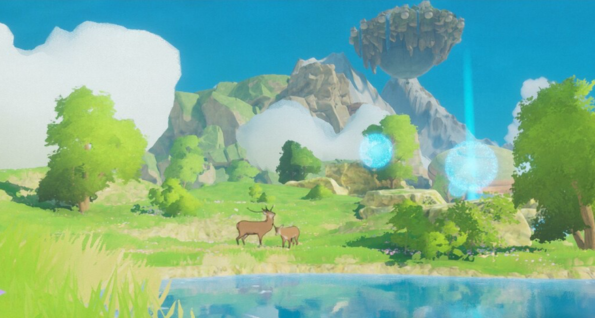
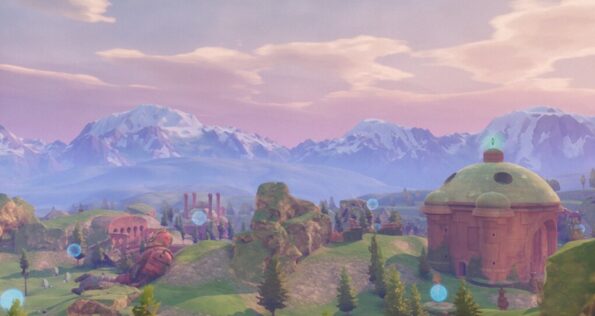
One of the first things I noticed about Europa when it was first announced was its beautiful art style. With soft, painterly visuals that blend nature and remnants of human architecture, the game creates a dreamy atmosphere; it’s like playing inside a painting.

Every scene feels lovingly crafted, from the lush greenery to the grand, decaying ruins that hint at a civilisation long past. The lighting is particularly striking, with sunlight peeking through trees and casting a soft glow on the landscape, which contributes to the game’s peaceful and relaxing tone.
The world feels alive, and you’ll see many animals, like deer, giant tortoises and squirrels, moving around; Zee sketches many of the creatures in the journal. At every turn, the landscapes evoke a sense of curiosity and discovery. The colour palette is warm and inviting, making it easy to lose yourself in the game while exploring.

The sound design in Europa complements its tranquil atmosphere. The music is gentle and melodic; it ebbs and flows with your exploration, creating a soundscape that adds to the overall sense of discovery.
I played Europa on my laptop and the Steam Deck. The game ran well on both systems and didn’t crash once. However on the Steam Deck, while I had the subtitles turned on for a while when the narrator spoke and the subtitles appeared on screen, they were mostly hidden under the bottom of the notebook page the narrator was talking about, making them almost impossible to read.
Conclusion
Europa is a beautiful, reflective journey through a world that’s both familiar and alien. Its gentle atmosphere, combined with Zee’s fluid movement and exploration and a subtle environmental narrative, makes it a unique experience for players who appreciate games that prioritise discovery over action. While it may not appeal to those players seeking traditional adventure or puzzle mechanics, Europa stands out as a tranquil and rewarding experience for those willing to embrace its quiet charms. It was definitely worth the wait for development time: it’s a joy to take to the skies with Zee!
Final Verdict: Two Thumbs Up 
Do you like our content? Support LadiesGamers on Patreon!
Check out our Tiers and Benefits and join us.