



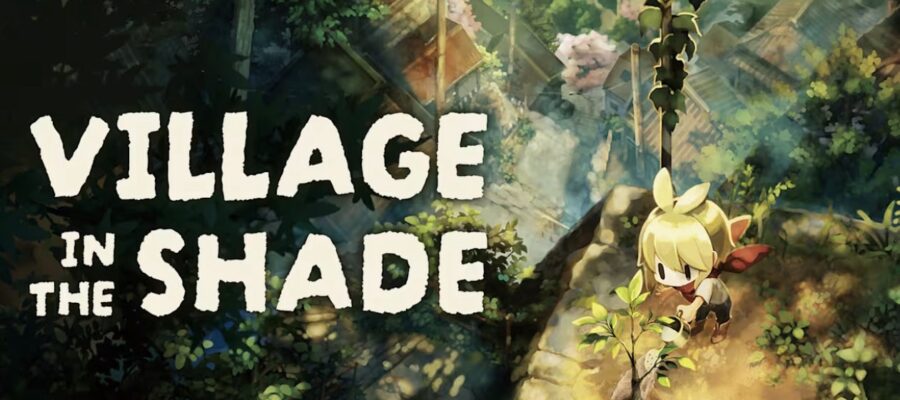
Game: Village in the Shade
Genre: Simulation, Adventure
System: Nintendo Switch 2 (Also Switch, Steam (Windows) and PlayStation)
Developer | Publisher: Nippon Ichi Software, Inc.| NIS America
Age Rating: US Everyone | EU 12+
Price: US $49.99 | UK £49.99 | EU € 49,99 (same price for Switch and Switch 2)
Release Date: October 27th, 2026
Review code provided by Keymailer.
Over the years, I have played many farming simulation games. But it’s a first for me to play a game where a horror element is added to the farming part. Village in the Shade is made by the people behind Yomawari, which Tim reviewed for LadiesGamers many years ago. Looking back at the images of Yomawari, you’ll see the similarities in art style. Let’s see if the mash-up of two game genres works!
A Thoughtful Choice
At first glance, Village in the Shade looks like another relaxing farming simulation. But the choice you have to make at the start is not so common: you have to choose your game mode: play Village in the Shade or Village in the Sunshine. The former delivers the full blend of farming and folklore-based horror, which is how the game was intended, while the latter strips away the supernatural elements for players who simply want to enjoy life in the little village of Kagatsu as a traditional farming sim.
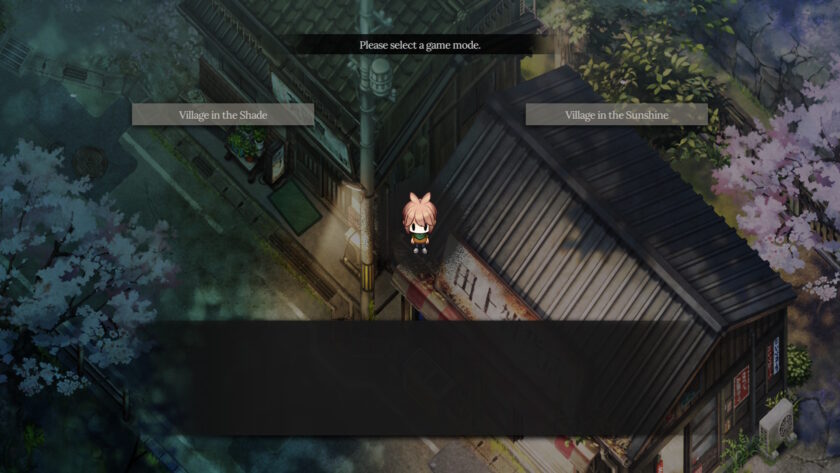
I like how they give this choice, as there are people too who don’t want the horror element in their gaming. I must say I myself was tempted to go for the Village in the Sunshine, but that wouldn’t have been a review of the full experience, right?
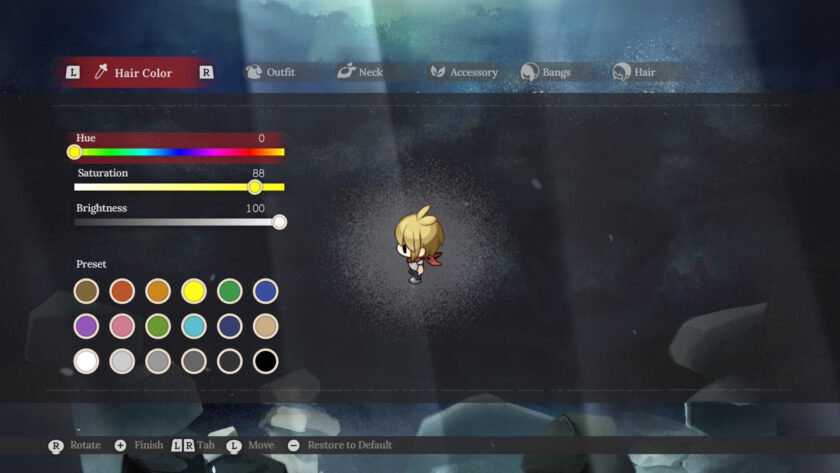
You get a chance to customise your character, though options aren’t very extensive. Taking into account that your character is only a little kid, you look at a slightly angled top-down perspective. And even though it is small, you still see some nice touches, like the little bandana around their neck.
Getting Things Started
Let’s talk about the farming part first. You see a cutscene first, where your little character is chasing after a chicken and plunges into a deep hole. The game starts when you crawl out of the hole and wander out of the woods. A kind girl called Komako finds you, apparently lost, and brings you to the secluded mountain village of Kagatsu. It seems it’s now 10 years later, and the villagers are wondering why you have such an uncanny resemblance to a child that went missing so long ago.
The people in Kagatsu seem a little weird and distant, especially Rin, who is a sort of mayor of the town. She does bring you to a farm where you can stay, but don’t expect any charity here. She totals the amount of money you owe her just for staying there, even for the cardboard bed she provides for you to sleep in. Rin makes it clear that you’ll have to work the land and earn your keep.
The first few days in Village in the Shade, no one wants to talk to you. Fortunately, you have most of the tools you need to clear the land, and Rin gave you some turnip seeds to sow. Once the turnips are grown, the game changes. Rin shows up together with Komako, who at least shows some kindness in his own rough way.
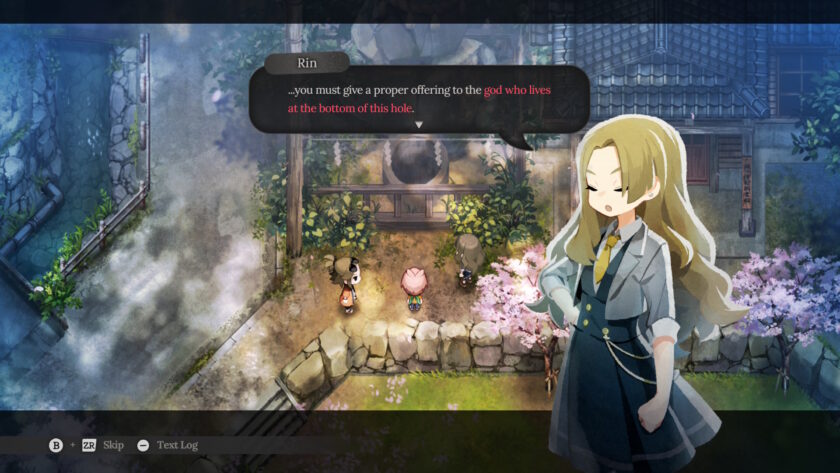
Rin says you won’t be a real member of the village until you sacrifice something that’s dear to you, in this case the first turnips you grew yourself. She takes you to a nasty-looking hole in the ground, and you’ll have to chuck the turnips in. Rin decides to sacrifice something dear too; I won’t spoil what happened, but it made it clear immediately that Village in the Shade isn’t like other farming sims. Rin shares the rules of the village with you that you can’t break unless you want to face dire consequences.
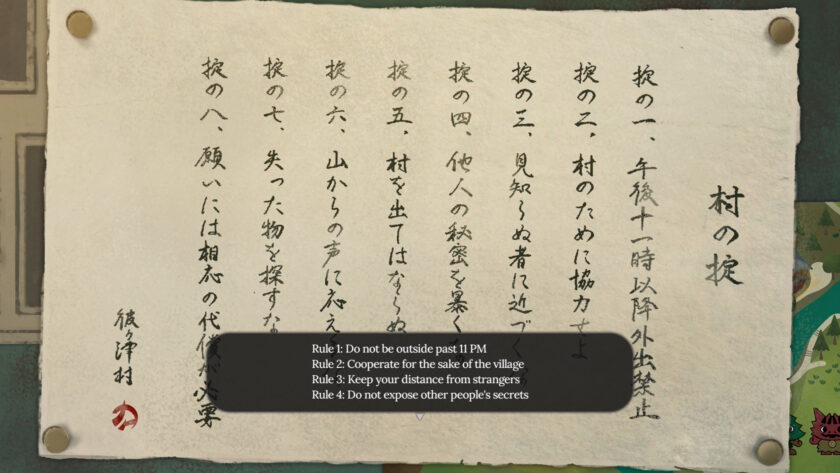
After that, you are an accepted inhabitant of Kagatsu, and everyone is allowed to talk to you, and you spend your days tending crops, fishing, gathering resources, and getting to know the locals.
Farming Simulation in the Sun
Working the land is pretty straightforward and easy to do. I had big fields of crops in no time, and it didn’t cost me much energy to water them all. The aim for sowing and working the land is a bit imprecise, but you get used to it. There’s already a chicken coop on your land, and once you have a barn, you can purchase sheep, cows and other animals too.
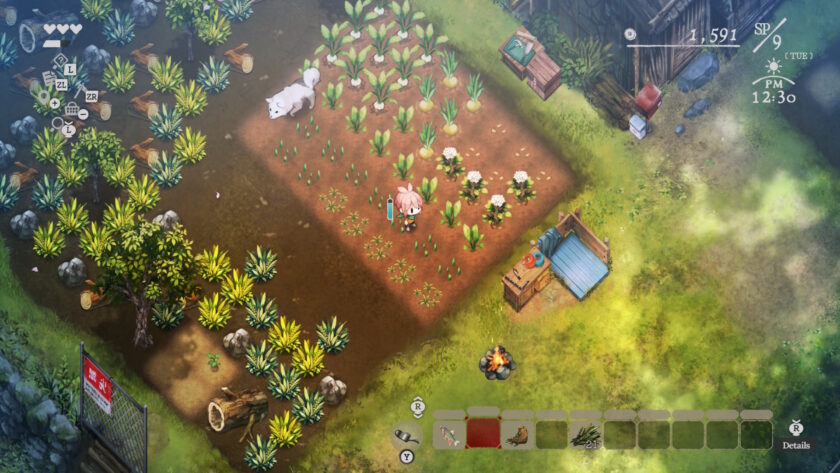
Gathering wild plants is a good way to replenish a bit of your stamina at first. Village in the Shade is generous too, as every so often you get money for reaching goals like tilling 10 squares of soil, foraging 10 items and so on. The money is welcome, as you need a bag upgrade pretty quickly, and the seeds are expensive too.
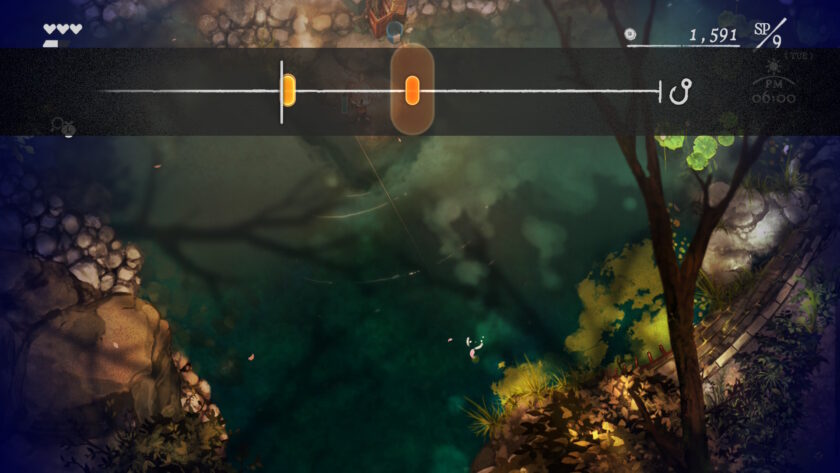
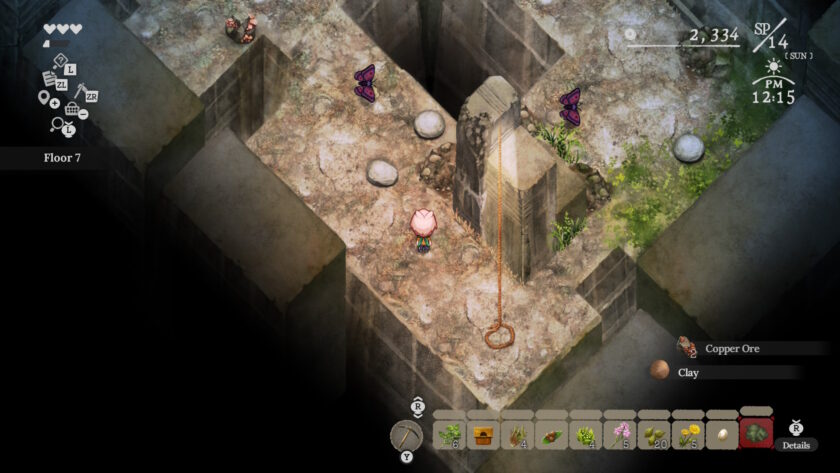
Like in many good farming sims, you can spend your time mining and fishing too, and in this one you can even go hunting. Fishing comes with a little mini-game of pushing the button at the right time. And mining in the quarry has several floors, for which you have to find the entrance hidden under rocks for every new floor. There are monsters to slay too in the quarry, though I must say the butterflies on the first floors don’t look all that scary. They can, however, zap your energy levels to zero in no time.
Maker machines are added by various quests and storyline events in rapid succession, which is very nice. Plus, very important: the maker machines and workbench draw from your storage box.
The Shade Side of Village
I wanted to name this chapter “The Night in Village in the Shade”, but that wouldn’t be accurate. It isn’t just at night that weird things happen; they occur during the day too. The game is very much tied to the storyline, and all of that happens when the sun is out. Kagatsu is a village built on rules. The residents are welcoming enough, but there are subjects they avoid, secrets they keep, places they do not visit, and warnings they expect everyone to follow without question. As the days pass, it becomes increasingly clear that something is lurking beneath the village’s peaceful surface.
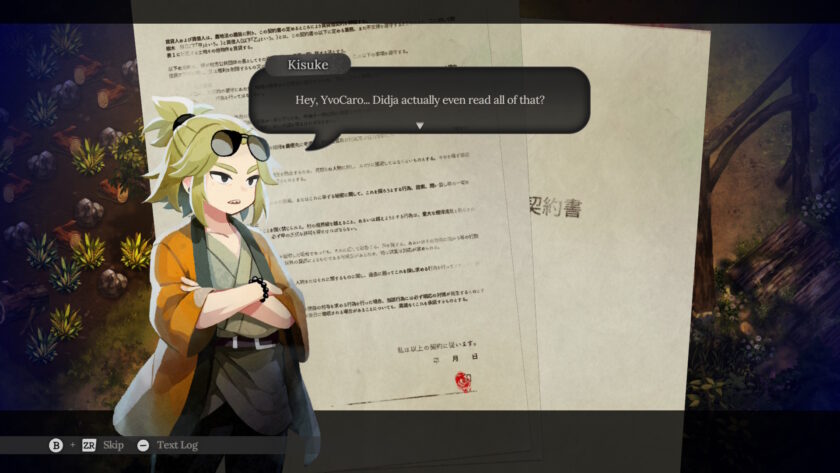
My first inkling of that was the way the villagers treated me at first, until I was an accepted member. My little YvoCaro felt very alone, but that all changed after sacrificing the turnips. Most of them turned into warm and accepting characters, even Kisuke (who uses a lot of swear words). The only exception from the start is Rin; she is really scary in her overly friendly way. You just know she can turn on my 10-year-old self with the most cruel treatment. Safe to say I really disliked her.
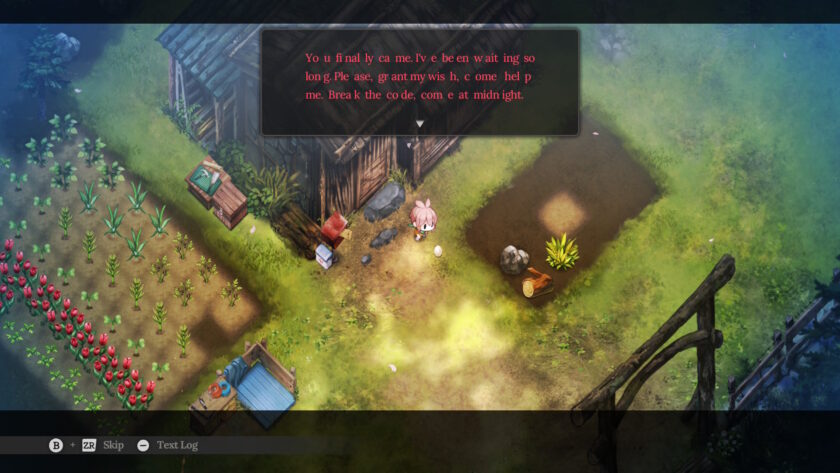
After you go to sleep, there’s knocking on the door in the middle of the night, enticing you to come out. But remember, the first rule of the eight that Rin imparted to me: no leaving the house after 11 pm. Despite the fact that it’s only pixels on the screen, it made me feel a bit anxious, which turned out to be very justified.
By mid-spring, though, you get a new assignment from the game: leave the house after 11 pm. So I obliged, and found that’s when the horrors and ghouls come out, for you to outsmart and outrun them. They manage to even change the landscape, which makes getting away more difficult. There are, however, some goodies to pick up at nighttime, like Magatama to offer at the village shrine to unlock new gameplay elements and blueprints. So it’s a good idea to keep on disobeying the rules one by one. And it’s not game over when they catch you; you just wake up the next morning without replenished health.

Some Other Things
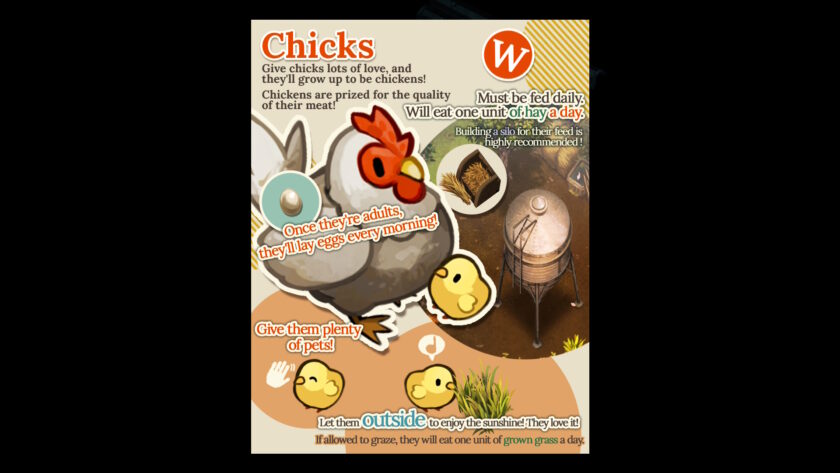
The way the tutorials in Village in the Shade are doled out is very good. The first weeks of in-game play are packed with new things and instructions. Some are even presented by a drawing that tells you everything you need to know.
Visually, you feel like walking through a water coloured scene, a warm and inviting countryside setting that feels inspired by rural Japan. Depending on the time of day, the roads and lanes are dappled in the shade; when it rains, puddles appear that you can splash through. At times, though, it can be a bit difficult to see the depth in the landscape.
The music in the background is a catchy and happy tune during the day, and turns into something much more eerie at night. There is no voice acting; instead, sprites of the chibi characters talking pop up and look lovely. During the gameplay, I’ve found that all villagers have a unique personality and their personal struggles, which is something not every farming sim can boast about.
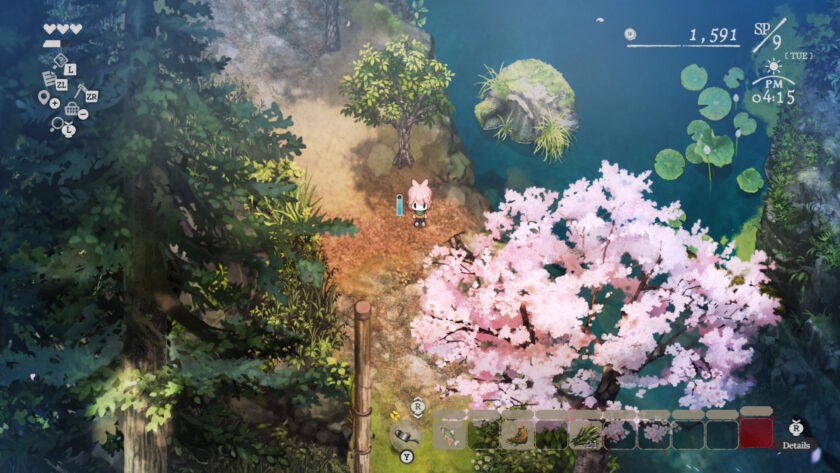
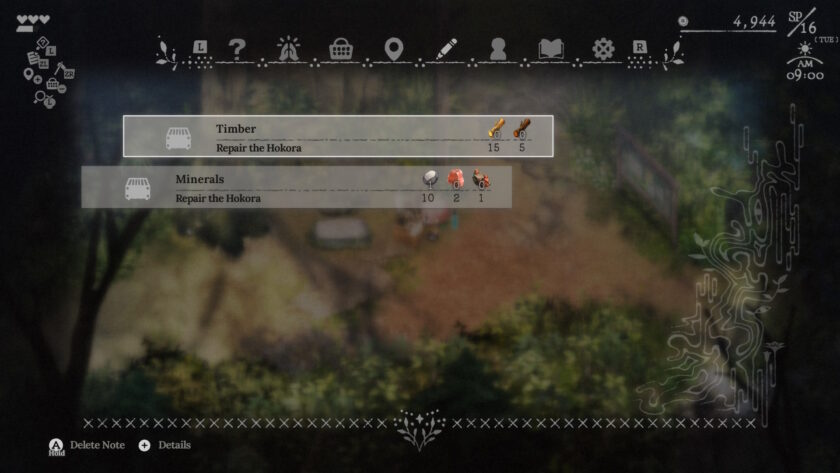
The game works flawlessly on the Switch 2. The quality-of-life shortcuts work well, with all the tools on a wheel and easily at hand. The screen constantly shows other shortcuts too. Something I don’t encounter often in a farming sim: you get a whistle to call your dog, but you actually have to hit the notes right. Also, you have a notebook in which you can quickly copy things down, so no going back and forth to look up which ingredients it was that you needed.
Conclusion for Village in the Shade
The farming part of Village in the Shade is good, maybe not as deep as in other pure farming sims. I would strongly advise you to give both modes a try when you go for this game. I’m by no means an expert at horror games, but I feel the horror elements are generally more eerie than outright terrifying. Rather than relying purely on jump scares, the game builds tension through atmosphere, uncertainty, and the unsettling feeling that something is wrong beneath the village’s peaceful exterior.
The game looks wonderful, like a hand-drawn scene of rural Japan; the villagers have a deep storyline and personal struggles, and the combination of farming sim with folk horror works wonderfully. I know Village in the Shade has made an impression on me, making it a game I will remember.
Final Verdict: Two Thumbs Up
Do you like our content?
Subscribe to our daily news and never miss a review!