

Code provided with thanks to Clumsy Bear Studio.
Hungry Horrors – Feeding Folklore
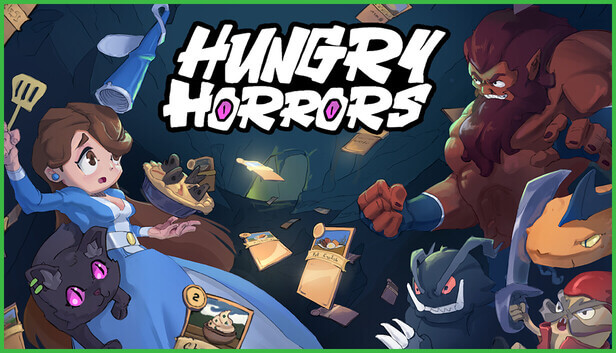
It’s 2026, which usually means we’re knee-deep in another wave of 2D action roguelites, most of them swinging swords, firing arrows, or throwing spells at anything that moves. Hungry Horrors arrives very early in the year and immediately decides it’s not interested in doing any of that. Instead of stabbing monsters, you cook for them. Instead of combat, you serve dinner. And instead of slaying ancient horrors from folklore, you try very hard not to end up as dessert.
From first impressions alone, Hungry Horrors already feels like something genuinely different. It takes the familiar roguelite and deckbuilding structure and twists it into a surprisingly thoughtful, funny, and clever experience. After spending time with it in Early Access, this feels like a game with a very strong future ahead of it if it continues on its current path.
A Reluctant Hero
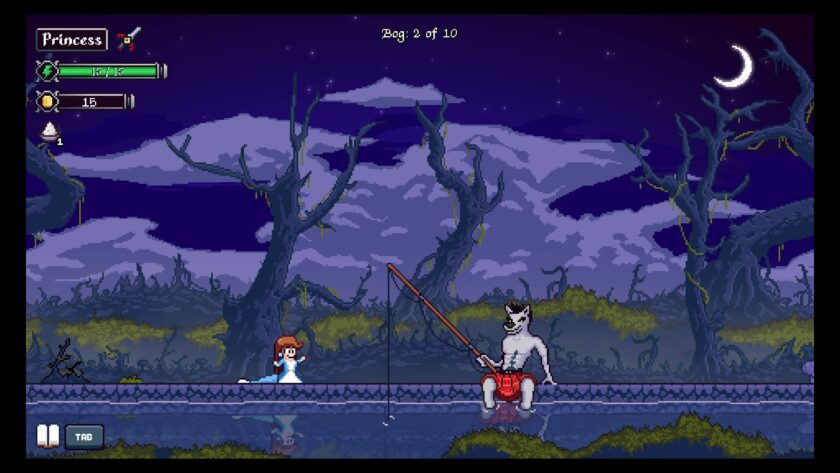
You play as a fairytale-style princess who looks like she’s wandered straight out of a storybook. She starts off waiting patiently for her prince to come and rescue her, but fate has other plans and with the help of a mysterious black cat, she sets off to save the realm herself… not by fighting, but by cooking.
The princess is a great lead character. She’s reluctant, a bit fed up, and clearly would rather be somewhere warm and cozy than dealing with monsters. That reluctance gives her a lot of personality, and it plays nicely against the game’s tone. The black cat, meanwhile, acts as a guide and occasional source of sarcastic commentary. When you fail a run and return to the hub, the cat is more than happy to remind you of it, usually with a joke that somehow manages to sting and encourage you at the same time.
Those Hungry Folk
One of Hungry Horrors’ biggest strengths is its monster design. The game pulls inspiration from British and Irish folklore, featuring creatures like goblins, giants, twisted trees, and other legendary beings that feel lifted straight from old stories. At first, I wasn’t always sure which monster came from where, but that’s where one of the game’s best features comes in.
Hungry Horrors includes a brilliant codex that logs each monster you encounter. Not only does it explain the lore behind them, but it also notes their last known sightings around the UK, which adds a lovely flavour of real-world lore. It’s one of those extra touches that shows real care, and it makes learning about the monsters just as enjoyable as feeding them.
Of course, all of these creatures want one thing: food. Feed them well, and they’ll disappear satisfied. Feed them badly, and they’ll happily eat you instead.
Cooking as Combat, Cards as Cuisine
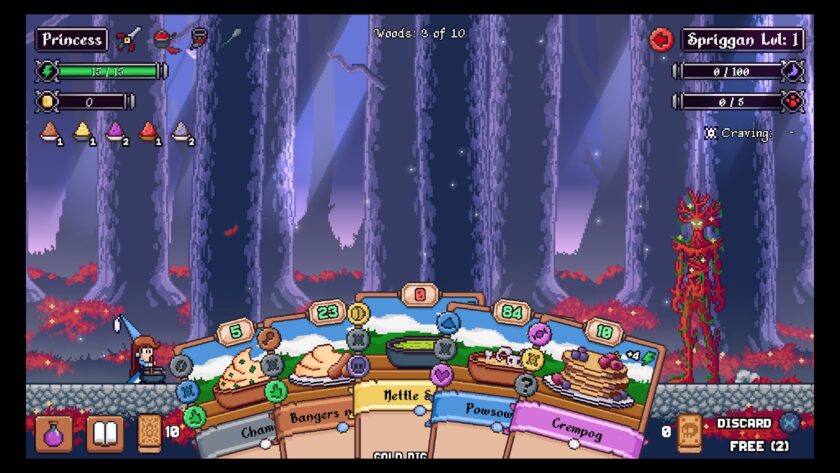
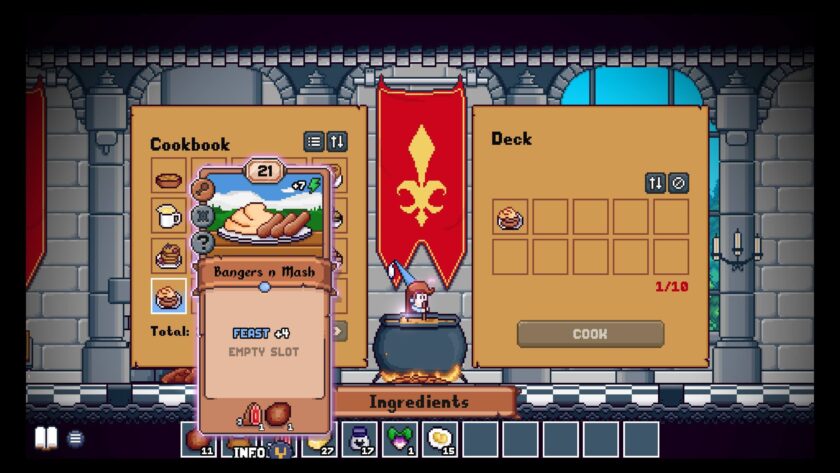
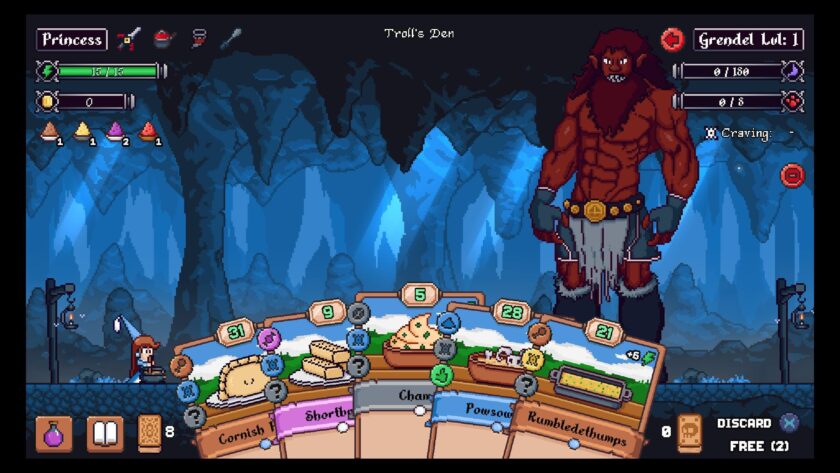
Gameplay revolves around a deckbuilding system where cards represent dishes rather than attacks. You start each run with basic ingredients, which you use to cook meals that go into your deck. Each dish has a flavour profile, such as sweet, savoury, sour, or bitter, along with icons that show its strength and any special effects.
When you encounter a monster, the “battle” becomes a tense cooking duel. You serve dishes from your hand and watch how the monster reacts. It might love the dish, dislike it or hate it. These reactions directly affect the monster’s hunger meter, which you’re trying to fill before it reaches you. Crucially, the game remembers these reactions, saving that knowledge for future encounters, which adds a really satisfying layer of learning and progression.
Serving dishes in the right order can build flavour combos, massively increasing how much hunger you satisfy in a single turn. You can discard cards, but after a couple of free discards, it starts costing stamina, which also acts as your health. There’s constant tension between experimenting, playing it safe, and managing your resources carefully.
Roguelite Progression
Like any good roguelite, failure isn’t the end. When you’re inevitably eaten, turned into a tree, or otherwise defeated in a humorous animation, you return to the hub. Along the way, you collect scrolls, which act as a permanent currency. These can be spent on upgrades that improve future runs, such as increased stamina, starting bonuses, or extra features in the main hub.
Each run takes you through different areas, starting in caves before moving into forests and beyond. Every region ends with a large boss encounter that pushes the mechanics further and really tests your understanding of flavours and combos. Importantly, Hungry Horrors does a great job of teaching its systems without overwhelming you. The tutorial is clear and concise, then steps back and lets you experiment.
The Spoon is Mightier than the Sword
Visually, Hungry Horrors looks fantastic. The pixel art is detailed, expressive, and packed with humour. There’s a playful parody running through everything, from the monster designs to the animations when things go wrong. The princess has some hilarious idle animations if you watch for them. The fairytale aesthetic mixed with dark folklore and comedy works incredibly well.
Final Thoughts
My overall impression is that Hungry Horrors is something genuinely special. It scratches that “just one more run” feeling without ever feeling exhausting, and it offers a refreshing alternative to more combat-heavy roguelites. If you’re feeling tired of endless action-focused entries in the genre, this is a wonderful palate cleanser that still offers depth, strategy, and replayability.
Hungry Horrors has absolutely satisfied my gaming hunger so far, and I’m very keen to keep dipping back into it as Early Access continues.
Do you like our content?
Support LadiesGamers as a member on Patreon!
 Or buy us a cup of coffee or tea on Ko-Fi!

woow.