

Game: Mirage 7
Genre: Indie, Adventure
System: Steam (Windows) (also on PlayStation)
Developer|Publisher: Drakker Dev | Blowfish Studios
Controller Support: Yes
Steam Deck: Playable
Price: US $19.99 | UK £16.99 | EU € 19,99
Release Date: March 6th, 2026
Review code provided with many thanks to Stride PR.
Mirage 7 – Back To Experimental Adventures
Mirage 7 feels like the sort of game that might have appeared during the PlayStation 2/ original Xbox era, when developers weren’t afraid to try odd combinations of ideas. It mixes action, puzzle solving, crafting and storytelling into something that doesn’t always run smoothly, but still manages to leave a positive impression.
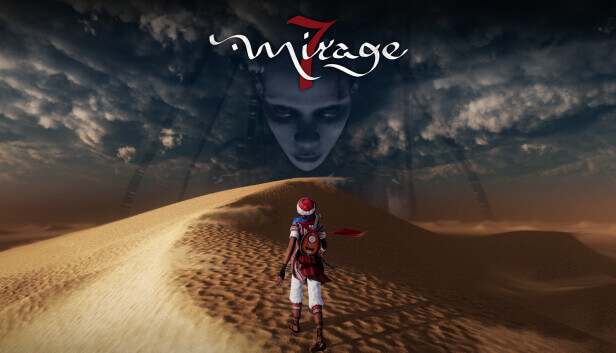
You play as Nadira, a young girl travelling through a harsh desert landscape with her pet lizard companion, Jiji. Her goal is simple enough on paper: find a mythical oasis that may hold the key to bringing her sister back to life. Of course, things quickly become stranger than they first appear.
The story blends fantasy with unexpected sci-fi elements. I won’t spoil where it goes, but the combination gives the world a slightly eerie tone. One moment you’re exploring ancient temples and desert ruins, the next you’re confronted with unsettling technological elements that feel like they’ve dropped in from another genre entirely.
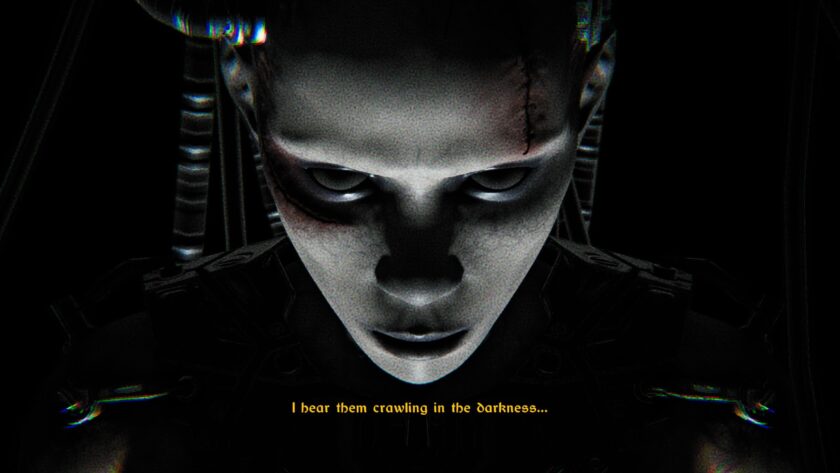
One recurring moment that stood out was when a creepy sci-fi-style face suddenly appeared during random moments in the game. It stares directly at you and delivers a few lines of dialogue. It’s not quite a full jump scare, but it definitely caught my attention the first few times it happened.
The voice acting deserves credit as well. The performances are solid, and Nadira herself is an easy protagonist to warm to. She’s optimistic, determined and has a pleasant dynamic with her lizard companion. Their little exchanges while exploring help keep the journey quirky.
Bite-Sized Adventure Design
Mirage 7 takes a very structured approach to progression. Rather than dropping you into one huge open world, the game is divided into smaller areas that each act like self-contained adventures.
Think of it as moving from one pocket-sized zone to another. Each area has a set of objectives to complete before you move on. Sometimes that means solving puzzles, other times you’ll be gathering materials or crafting items needed to progress.
This design works well for the pace of the game. It keeps things focused and avoids the feeling of wandering aimlessly. You’re always working toward a clear goal while still having space to explore each location.
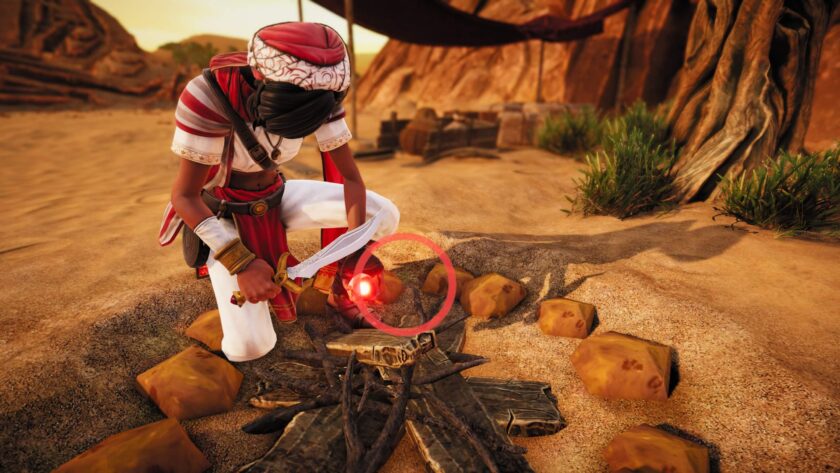
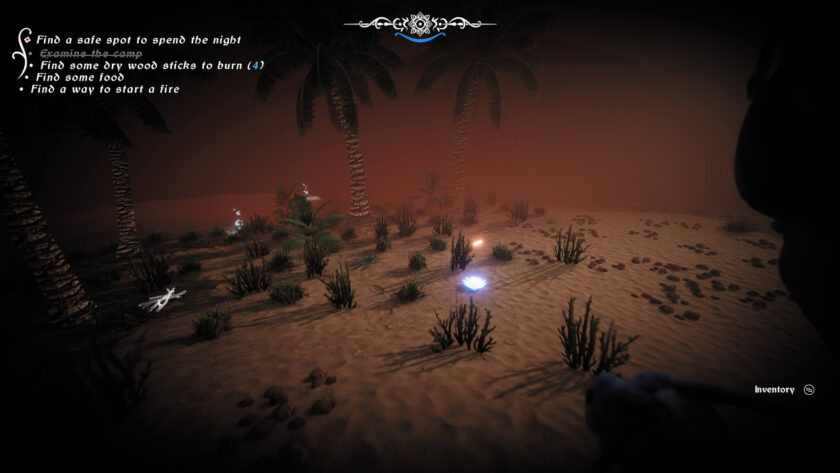
Crafting plays a role in many of the puzzles. You’ll collect items from the environment and combine them into useful tools. Thankfully, the game keeps this system simple. If you open your inventory and highlight an item, the game shows which other items it can combine with. It removes the frustration of randomly experimenting with every object you’ve picked up.
Another thoughtful feature is how interactions work. If you already have the correct item needed to solve something, the game will automatically use it when you interact with the right object. It keeps the flow moving instead of forcing you to dig through menus constantly.
Puzzle Solving Takes The Spotlight
The puzzle design is where Mirage 7 feels most comfortable. Exploring, figuring out how to interact with objects and piecing together solutions make up the bulk of the gameplay.
The puzzles aren’t overly complicated, but they require enough thought to feel satisfying. There’s a pleasant sense of figuring things out for yourself without the game constantly pointing the way.
One of the characters even jokes early on that the game won’t hold your hand, which feels like a little nod toward modern design trends. Despite that comment, Mirage 7 still includes helpful touches that keep things accessible. Including a checklist of your objectives.
Throughout your journey, you’ll also find optional notes and small pieces of lore scattered around the world. They’re short enough that they never feel like homework, but they add a little extra flavour to the story and the world lore.
Combat Is The Weakest Link
While the puzzles and exploration work well, the combat is where Mirage 7 feels less refined.
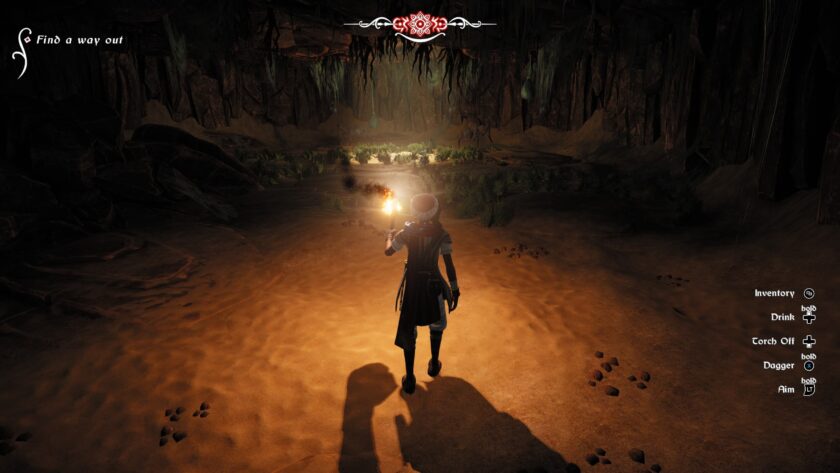
You can attack enemies either with ranged weapons or with melee attacks. Ranged combat tends to be the easier option, letting you chip away at enemies from a distance. Melee combat, on the other hand, can feel like a slog.
Many enemies simply take a long time to defeat, and most encounters boil down to attacking repeatedly while dodging at the right moment. The system functions well enough to move the game forward, but it rarely feels particularly exciting.
It almost feels like combat was included simply to add variety rather than being a core strength of the design. Because of that, players who mainly want to enjoy the puzzles and exploration might consider lowering the difficulty so battles pass by more quickly.
Jiji The Lizard Companion
Nadira isn’t travelling alone, and Jiji, the lizard companion, adds a few fun gameplay moments.
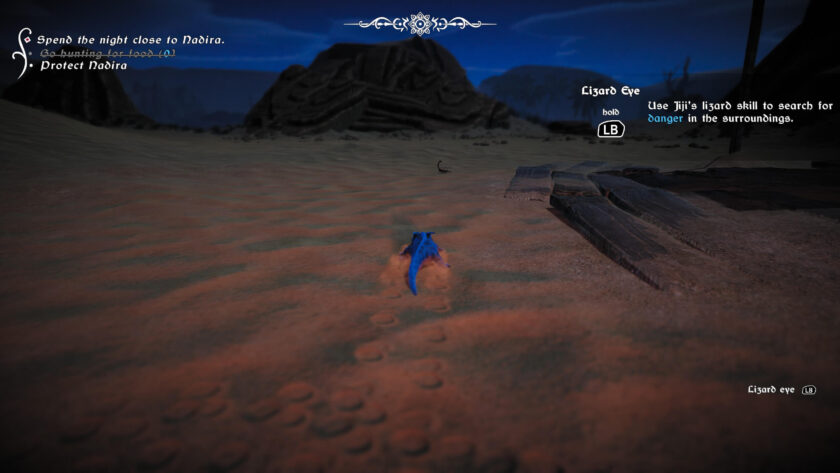
Occasionally you’ll take direct control of Jiji for small puzzle sections. His stretchy tongue can grab items and even attack small enemies.
The lizard also plays a role when Nadira uses her special sensing ability. This ability reveals hidden objects and clues in the environment. It works almost like a hot-and-cold mini-game, guiding you toward items you might otherwise miss.
Presentation And Atmosphere
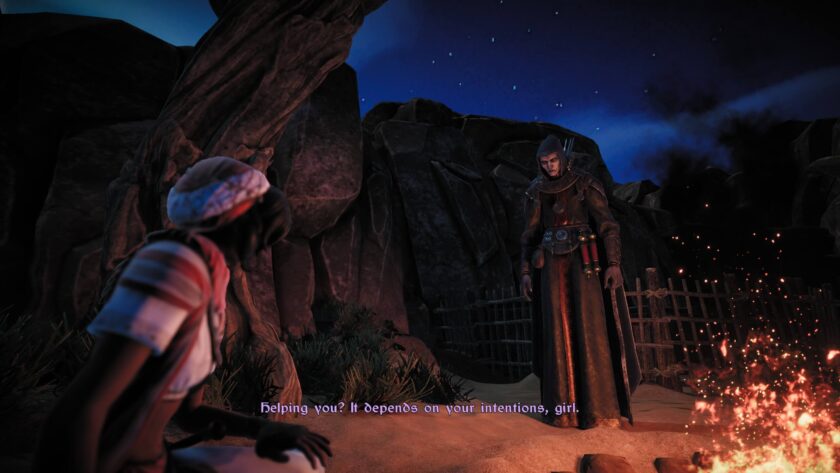
Visually, Mirage 7 is a bit of a mixed bag. Some elements look fantastic, particularly the desert environments and temple interiors. Sand dunes, ruins and atmospheric locations give the world a strong identity.
There’s also a surprising amount of attention to detail. Nadira leaves footprints in the sand as she walks, and even Jiji leaves tiny tracks behind. Small touches like that go a long way in making the world feel alive.
Character models, however, can look a little stiff at times, and the lip syncing during dialogue doesn’t always match. It’s noticeable, but it didn’t ruin the experience for me.
Overall, the game looks good for what it’s trying to achieve. It may not push visual boundaries, but the environments do a fine job of supporting the story.
Conclusion – An Oasis in the Steam Desert
Mirage 7 is the sort of adventure that reminds you of a different era of game design. It focuses on storytelling, exploration and puzzle solving rather than complex systems or endless upgrades.
The combat can feel repetitive, and some technical rough spots appear here and there, but the game’s creativity and atmosphere help carry it through. The story, interesting world and enjoyable puzzles make it easy to stay invested in Nadira’s journey.
It might not be a flawless experience, but it’s an engaging one. If you enjoy narrative-driven adventures with a focus on exploration and problem-solving, Mirage 7 is definitely worth a look.
Final Verdict: I Like it 
Do you like our content?
Subscribe to our daily news and never miss a review!