

Welcome to this edition of Game Ramblings; you can find the previous Ramblings here.
Since I wrote the last Ramblings about coming home from holiday with an unwanted souvenir, a broken wrist, things have moved on; it’s now out of the plaster cast. Yay! Finally, I can use my arm and hand again and do some exercises to strengthen it. Though, you do not need to worry. After these ramblings, I promise I won’t go on and on about breaking my wrist.
However, as I broke my wrist and spent six weeks in a plaster cast. During those weeks, I was hampered by the cast around my hand, meaning I couldn’t physically hold a Switch game controller properly. It raised a question in my mind about accessibility for disabled players in video games.
Video Game Playing is For All

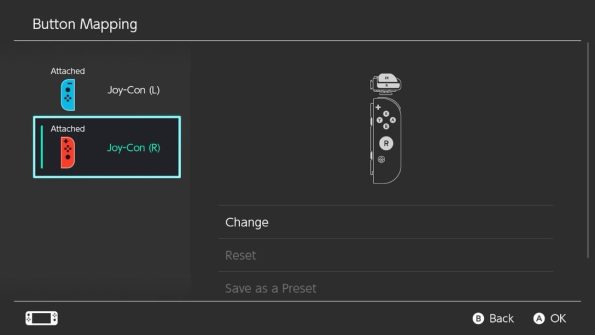
Even if I managed to grip a controller, reaching the control stick or the shoulder buttons was impossible. Eventually, I turned to a game that let me re-map the buttons on the Switch. But that didn’t help with the control stick, as only a few games let you change settings from the left stick to the right control stick to move a character.
It got me thinking; they say that video games are for everyone, which is true, but that also means everyone needs to be physically able to play them.
Additionally, accessibility in gaming has come a long way in the last ten years or so; there are far more accessible features in games. But is there enough? Shouldn’t all developers and publishers include accessibility features in all their games as standard?
Disabilities
Disabilities come in different ranges. A person with motor disabilities can’t use traditional controls/controllers, affecting their ability to enjoy a game. While there are specific controllers you can buy to overcome that, they are far more expensive than a standard controller.
Then there are visual or auditory disabilities, which can mean a person may not be able to properly experience a game’s story or respond to certain prompts during gameplay, and that’s just scratching the surface.
Accessibility Features
More games are starting to include features to improve accessibility, such as better-closed captioning, special modes for those with impaired vision, customised controls, and other optional settings are some of the features that are becoming more common. There are also more devices to help gamers with disabilities play, such as the Xbox Adaptive Controller.
What I found difficult to find out was what games have accessibility features and where you find this information, as it doesn’t seem to be readily available. The progress of making games more accessible for disabled players doesn’t seem consistent across all regions or all developers.
Nintendo
Despite its global popularity, Nintendo is lagging behind on accessibility features compared to other major companies in the industry. And, even as hardware and software improve, one of the biggest barriers to many gamers with disabilities is cost.
A while ago, the Nintendo Switch got an update that added customisable controls for officially licensed Nintendo controllers. With five presets that can be saved per controller per system, players can create 15 unique layouts to accommodate their physical limitations, and that’s great.
On a games page on Nintendo’s site, it lists basic information about a game. Such as if it’s a two-player game or has a local co-op mode, but the pages don’t mention accessibility features.
Eventually, I found one website leading the charge for accessibility with CanIPlayThat.com, a website run by deaf gamer Ben Bayliss.
Whitethorn Games

With all that still needs to be done to make games more accesible, there’s good news too. Whitethorn Games has taken the initiative and has a webpage to check out the accessibility for Whitethorn’s published games. We also published an interview with Britt Dye, Chief Accessibility Officer with Whitethorn Games, which you can read here. However, while that’s fantastic of Whitethorn and kudos to them, why can’t other developers do the same with the games they develop or publish?
In the future, and as the video game industry grows, more ongoing advocacy, collaboration, and education will be essential to ensure a more accessible gaming future for all.