



A demo code was provided, and many thanks to Pirate PR
Ruffy and the Riverside: An Innovative Take on 3D Platforming
Ruffy and the Riverside is an upcoming collectable 3D platformer set to release in April 2025 on PC and modern consoles. A demo will be available on Steam starting February 11th, offering players a first taste of this colourful adventure. I was fortunate enough to play an early version of the demo, and I came away quite impressed.
Ruffy embraces the spirit of classic 3D platformers like Super Mario 64, but what sets it apart is its upbeat energy and unique gameplay mechanic, one I haven’t quite seen in a platformer before.
Happy Vibes
The demo begins in a surprisingly tense situation: Ruffy, a mole, and a bee are stranded on a small island that’s plummeting down what seems like an endless waterfall. Despite the dire circumstances, the mood remains lighthearted, with witty banter between the characters about how they ended up in such a bizarre predicament. Rather than panicking, Ruffy and the bee escape by transforming the waterfall into vines, which they use to climb to safety, while the mole stays behind to dig out a diamond. (Don’t worry, he makes it out just fine.)
From there, the game quickly establishes its core collectible-driven gameplay. The mole soon instructs you to collect stars scattered throughout the world, which unlock new doors and areas.
My first impression of Ruffy and the Riverside is just how positive and uplifting it feels. Ruffy’s character sprite features a beaming, infectious smile, and he celebrates even the smallest achievements, like collecting a star with triumphant gestures. The game radiates a welcoming, family-friendly atmosphere, inviting players of all ages to explore its charming world.
Scan and Throw: A Unique Mechanic
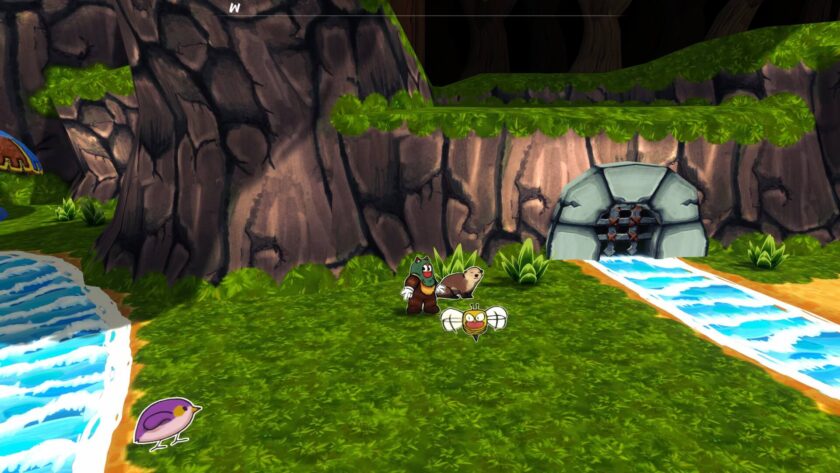
What truly makes Ruffy and the Riverside stand out is its innovative SWAP mechanic, which allows players to scan the material and then throw that stored material onto another surface to transform it.
For example, in the opening scene, Ruffy scans a tree and throws the stored material at a waterfall, turning it into climbable vines. The possibilities extend far beyond this simple example. You can turn metal into wood and swap water for lava (which can burn wooden sections while leaving metal intact). These transformations integrate seamlessly with platforming and puzzle-solving, adding layers of creativity to the gameplay.
Despite how inventive it sounds, using SWAP feels surprisingly intuitive. It blends smoothly with the platforming controls, never feeling overly complex or cumbersome. While the demo only scratches the surface of what this mechanic can do, it left me eager to see the full range of possibilities in the final game.
Classic Collectible Formula
The core gameplay loop in Ruffy and the Riverside follows a familiar but satisfying collectible-driven formula. Players explore the world in search of stars, many of which require clever use of the SWAP mechanic. Others challenge your platforming skills or appear in hidden locations.
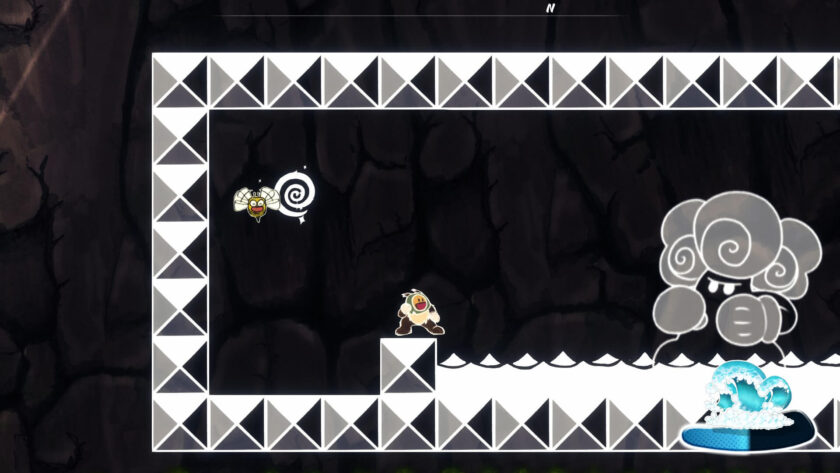
One of the most interesting surprises in the demo was a portal that transported Ruffy into a 2D level, where he had to take on an angry tree. It reminded me of some mechanics in Super Mario Odyssey, but it still felt fresh and well-executed here.
A minor gripe I had was that whenever you collect a star in a portal level, you’re booted back to the main hub area rather than continuing seamlessly. This design choice, reminiscent of Super Mario 64, can feel slightly outdated compared to modern platformers that allow for more fluid progression. By the end of the demo, the game teased a more open-world area, meaning this demo only appeared to scratch the surface of what was to come.
Blending 2D and 3D Art Styles
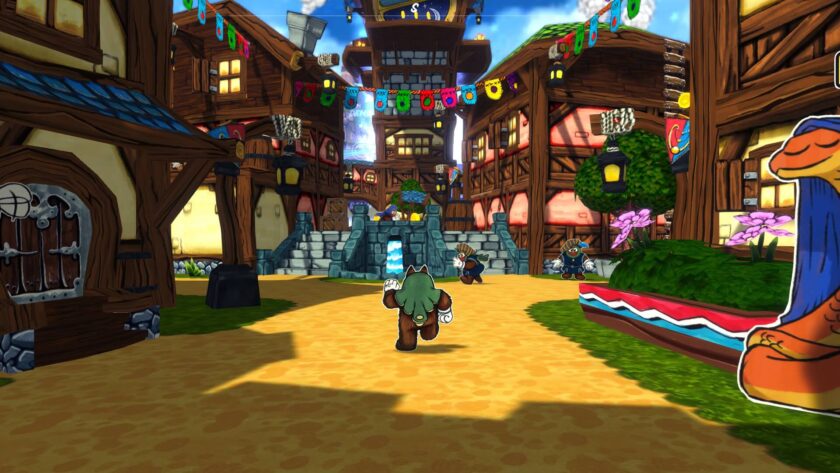
One of the most striking aspects of Ruffy and the Riverside is its art style, which blends 2D character sprites with a fully rendered 3D world. While this might sound like a jarring mix, it actually works remarkably well. The environments and enemies feature smooth 3D animations, while Ruffy and his friends appear as charming paper-like cutouts.
Despite Ruffy being 2D, I never felt like I had trouble navigating the 3D environments. The platforming felt natural, and the world design made it easy to gauge depth and distance.
The game’s upbeat soundtrack further enhances its feel-good atmosphere, reinforcing the sense of joy and wonder throughout the adventure.
Final Thoughts
By the time I finished the demo, Ruffy and the Riverside had left a big smile on my face. The most compelling aspect is undoubtedly the SWAP mechanic, which adds a fresh layer of creativity to the classic 3D platforming formula. But beyond that, what stuck with me most was just how warm and uplifting the experience felt.
This game welcomes players of all ages, offering a fun, family-friendly adventure packed with charm, creativity, and nostalgia. With its innovative mechanics, delightful presentation, and positive energy, Ruffy and the Riverside has the potential to be something very special when it releases in April.
And if you can’t wait that long, the demo drops on Steam on February 11th! The full game will launch on PC, PlayStation 4 & 5, Xbox, and Nintendo Switch.
Do you like our content?
Support LadiesGamers as a member on Patreon!
 Or buy us a cup of coffee or tea on Ko-Fi!
