

Game: Constance
Genre: Adventure, Action, Indie
System: Nintendo Switch 1 & 2 (also on Windows (Steam), PlayStation and Xbox)
Developer|Publisher: Blue Backpack | btf
Age Rating: EU 3+ | US Everyone
Price: US $19.99 | UK £16.75 | EU €19,99
Release Date: May 1st, 2026
Review code provided with many thanks to Plan of Attack.
Constance – A Brush With Something Thoughtful
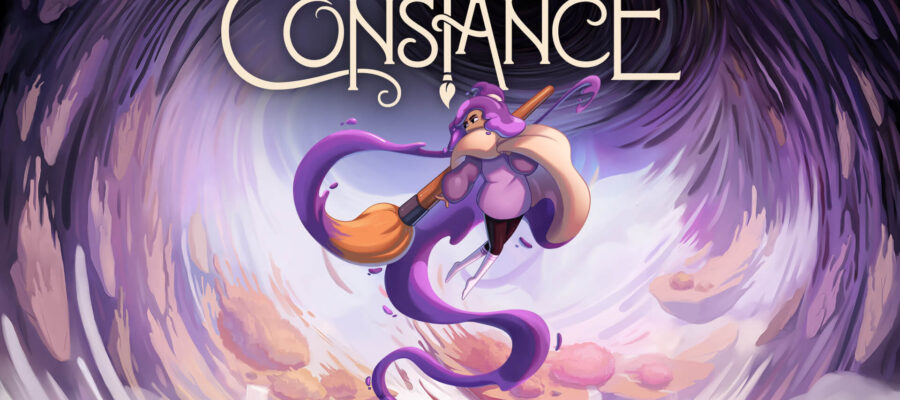
Constance arrives with a clear sense of identity. It’s a 2D action-adventure, yes, one of those interconnected map explorations people love to label as “metroidvania”, but what makes it stand out isn’t just the structure. It’s how everything ties back to its core theme.
You play as a young artist navigating a surreal inner world that’s quite literally falling apart. That world isn’t just a backdrop; it’s an extension of her mental state, touching on ideas like burnout, anxiety, and emotional fatigue. It’s handled with a light touch, too. The game doesn’t lecture or overwhelm you with text; instead, it quietly builds its message through visuals, mechanics, and small character moments. It’s the kind of approach that invites interpretation rather than demanding it.
Painting Your Way Through the World
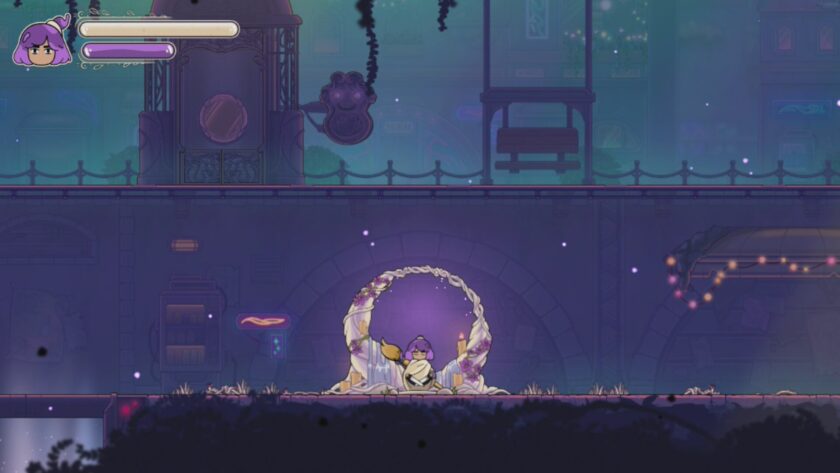
At its heart, Constance sticks to a familiar loop: explore, unlock abilities, backtrack, and gradually peel open more of the map. But the paintbrush mechanic gives it a nice twist.
Your abilities revolve around paint, dashing, striking, and interacting with the environment. It’s fluid when it clicks, letting you chain movement and attacks together in a way that feels satisfying. You’ll be slicing through enemies one moment and then using that same toolkit to navigate tricky platforming sections the next.
There’s a catch, though. Special abilities draw from a paint meter, and if you overdo it, you slip into a corrupted state that starts eating into your health. It’s a clever system that forces you to literally slow down. You can’t just spam your way through encounters or obstacles; you’ve got to pace yourself. Oddly enough, it ends up feeling like a mechanical version of “take a breather,” which ties neatly back into the game’s themes.
Platforming That Pushes Back
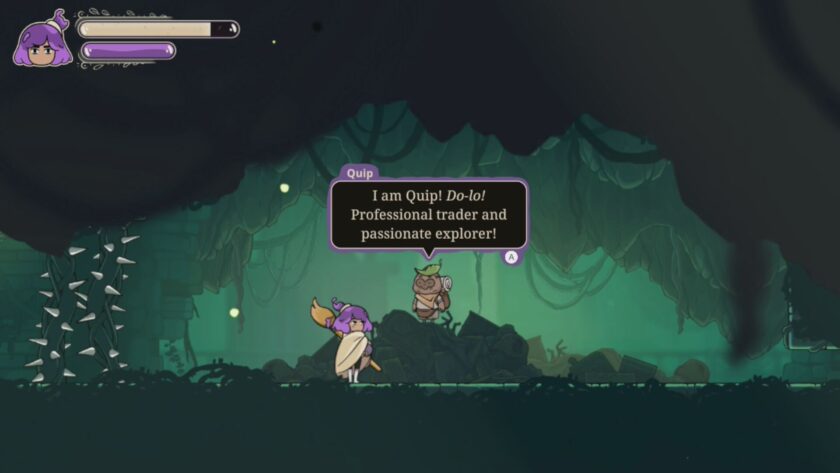
Movement is a big part of the experience, and Constance doesn’t take it easy on you. There’s a fair bit of precision platforming here, tight jumps, mid-air dashes, and environmental hazards that demand proper timing. For some, that’ll be a highlight. For others… maybe less so.
There were moments where the combination of abilities and platforming challenges felt just a little too fiddly. Juggling jumps, paint actions, and environmental interactions in quick succession can get messy, especially when the margin for error is small.
That said, the game does offer a range of accessibility options. You can tweak damage, remove certain penalties, and generally tailor the experience to suit your comfort level. It’s a thoughtful inclusion, especially given the subject matter. Not everyone wants a tough-as-nails platformer when the game itself is already dealing with heavy themes.
Combat That Gets the Job Done
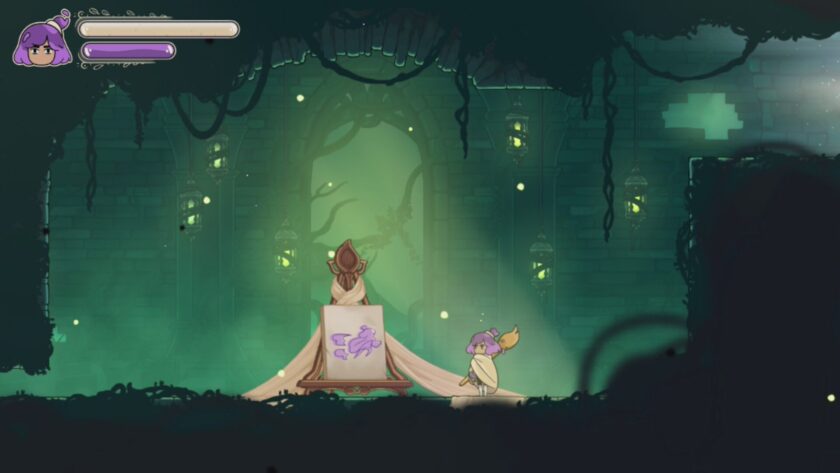
Combat is straightforward but effective. Regular enemies are manageable enough, giving you space to experiment with your abilities. Boss fights, on the other hand, lean into pattern recognition and patience.
They can drag on a little, mainly due to larger health pools, but they still provide that familiar sense of progression when you finally crack them. It’s not revolutionary, but it does what it needs to do. Where things get more interesting is how combat ties into the paint system. Managing your resources mid-fight adds a layer of tension, especially when you’re tempted to go all-in and risk tipping into that corrupted state.
A World That Speaks Without Words
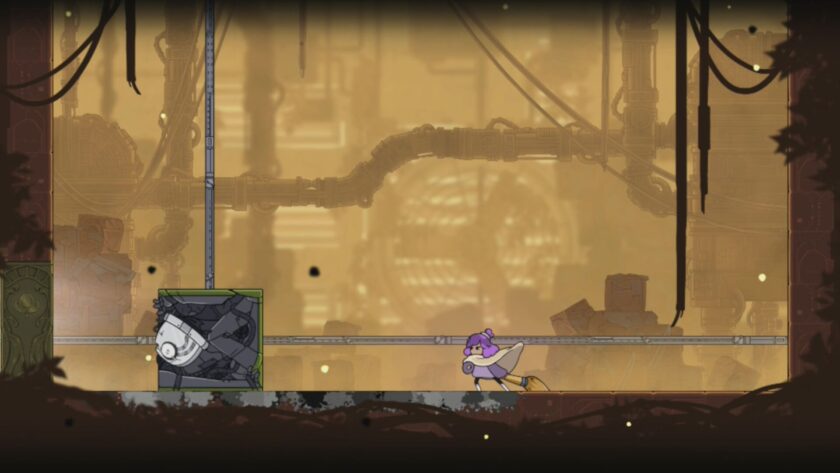
Visually, Constance is a standout. The hand-drawn art style is full of personality, blending soft, expressive character designs with strange, sometimes unsettling environments.
Each area feels distinct, almost like stepping into a different emotional space. Some are calm and inviting, others feel heavier and more oppressive. It’s a strong example of art direction doing narrative work without needing to spell things out.
Characters communicate in subtle ways too, gestures, animations, and little interactions. There’s very little direct dialogue, yet you still get a clear sense of who these people are and what they’re feeling. It all adds up to a world that feels carefully crafted rather than just assembled.
Failure, Persistence, and Choice
One of the more interesting systems comes into play when you’re defeated. Instead of a simple reload, the game gives you a choice.
You can return to a safe checkpoint and reset things, or push forward from where you fell, but with tougher enemies as a trade-off. It’s a neat idea. Mechanically, it adds variety. Thematically, it mirrors that idea of pushing on when things get harder, even if it’s not always the easiest route. Not every player will gel with it, but it’s another example of the game aligning its systems with its message.
Conclusion: Mental Clarity
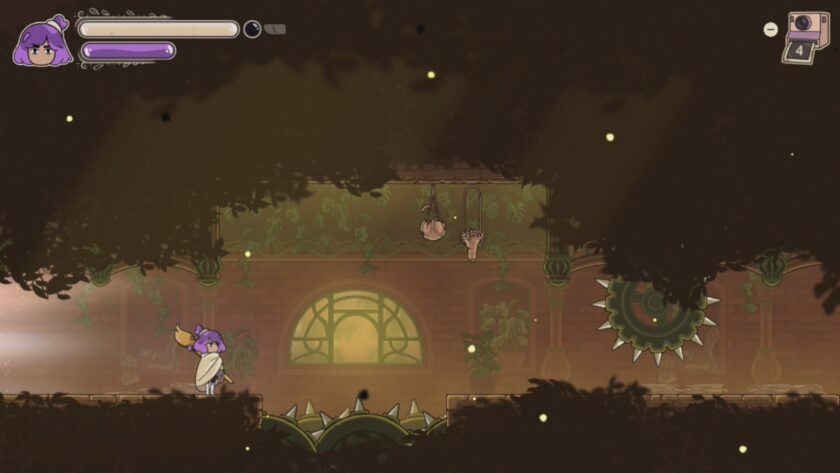
Constance is a thoughtful, well-crafted 2D adventure that leans heavily into its themes without losing sight of being a game first. The paint mechanics are clever, the world is beautifully realised, and there’s a clear sense of care in how everything fits together.
It’s not without its rough edges. The platforming can feel demanding, and some combat encounters overstay their welcome. But the flexibility offered through accessibility options helps smooth those bumps out. What really sticks is how it all comes together, the mechanics, the visuals, the pacing, all reinforcing that central idea of balance, pressure, and recovery.
If you’re in the mood for an adventure that offers more than just exploration and combat, Constance is a journey well worth taking.
As someone who can connect to the themes featured in this game, I say to anyone going through a rough time, don’t give in to the darkness.
Final Verdict: I Like it a Lot
Do you like our content?
Subscribe to our daily news and never miss a review!