


Game: Dungeons of Hinterberg
Genre: Adventure, Action, RPG, Indie
System: Steam (Windows, macOS, SteamOS+Linux)
Developers | Publishers: Microbird Games | Curve Games
Controller Support: Yes
Price: US $29.99 | UK £24.99 | EU € 29,99
Release Date: July 18th, 2024
No review code was used, I purchased the game myself.
Dungeons of Hinterberg is a 2024 action-adventure game developed by Microbird Games and published by Curve Games.
The Premise of Dungeons of Hinterberg
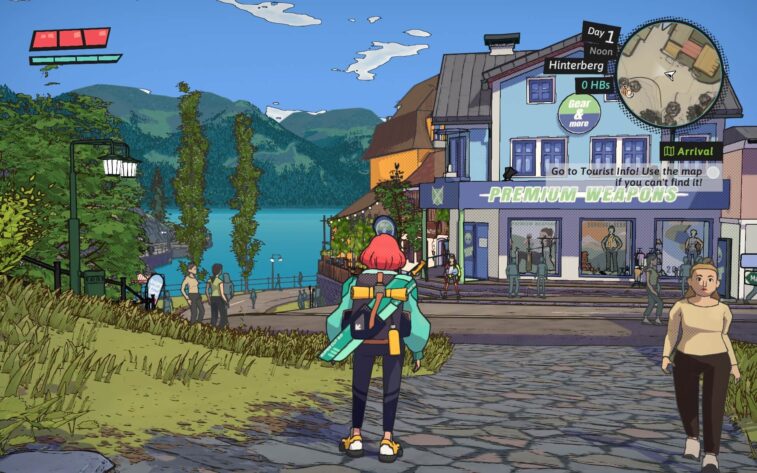
In Dungeons of Hinterberg, we play as Luisa, a young woman who goes on a dungeon-exploring vacation after getting exhausted with her corporate job. Hinterberg, a new tourist hotspot in the Austrian Alps, has turned from an idyllic and peaceful alpine paradise to a dungeon hotspot overnight when 25 magical dungeons, infested with monsters, appear without a reason. As Luisa, we explore the mountains, meditate around picturesque lakes, explore alpine villages, and forge new friendships.
Gameplay
Dungeons of Hinterberg has three difficulty settings: vacation mode, for people who want to enjoy exploration, the story, and the puzzles but don’t want the combat to be a challenge; normal, for a bit of both puzzles and combat; and tough mode, where everything is more difficult if you really want a challenge.
In terms of gameplay, Dungeons of Hinterberg is part action-adventure and part puzzle adventure game. For the action-adventure part, we have monsters to take care of using a combination of physical and magical attacks. We have a sword and a variety of spells, which grow as the story progresses. For me, the combat systems were perfect: not overly complex and yet more varied than just smashing one button and hoping for the best.
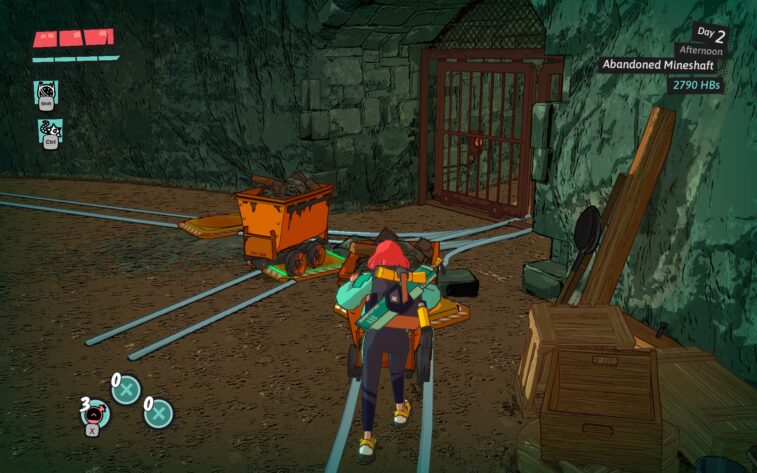
At the beginning of the game, we have a brief tutorial in the form of a test run through a smaller dungeon. We are shown the two basic physical attacks and later shown two of the spells. The dungeons are spread around the map in four separate areas, each with its own season and set of spells. To access a dungeon, we enter through unique portals. Once we enter a portal, we can exit at any point, although we lose progress in the dungeon. The dungeons are a mix of brief fights with monsters and logical platformer puzzles designed to clear a path forward. Once a dungeon is cleared, we get a stamp and can move on.
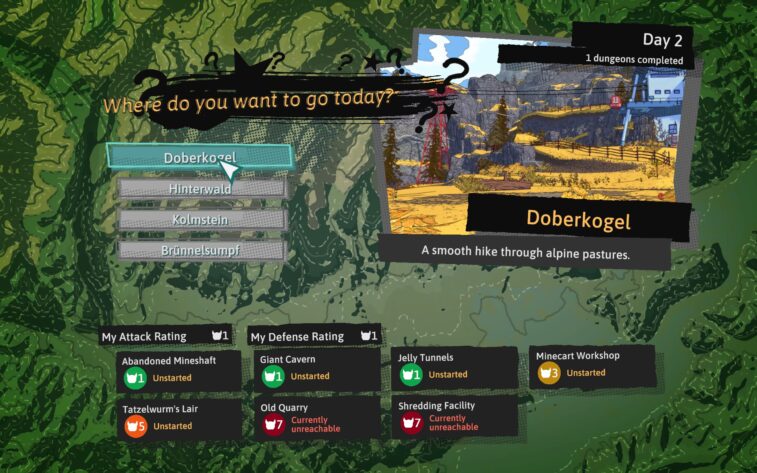
The stamps we collect go into the stamp book, which is a handy tool for seeing all the dungeons. They are arranged by level of difficulty. We are also given information on where they are and if they are available. For example, at the beginning of the game, some of the dungeons can’t be reached at the moment or are locked for a quest. I really liked the way the information was structured without giving away the pleasure of exploring.
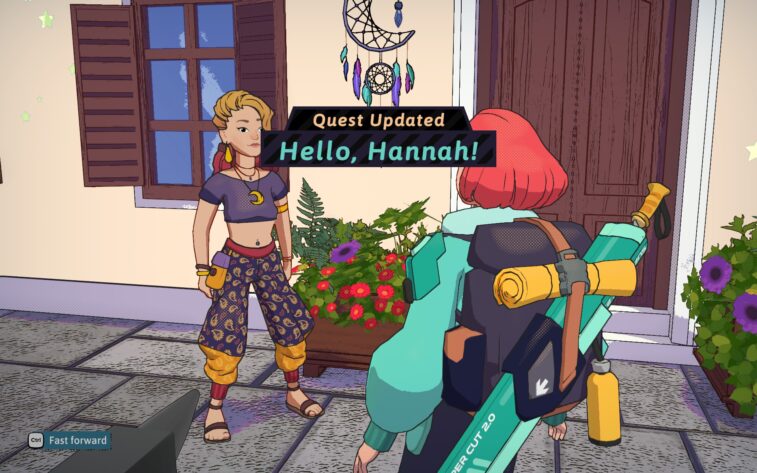
Platforming, including light puzzles, is a part of the game outside the dungeons. Also, the spells we learn aren’t typical battle spells- they can be used for solving puzzles, including out of the dungeons.
Exploration is a big part of the game. In fact, it might be my favorite part. Once something of interest is found, it’s marked on the map, and we can quickly travel to that location. Plenty of chests with loot are also spread out on the map. Random encounters earn us monster parts, which we can solve for Hinterberg’s special currency. We then can buy and upgrade our gear. I liked the idea of a special Hinterberg currency and the mention of Euro prices- it once again underlined that Hinterberg is a real place and its characters are real people, despite the ridiculous storyline with the monsters.
Plenty to Do
There’s plenty to do and see without dungeon crawling. We have scenic spots to see, people to talk to, and so on. The characters are engaging and lifelike in their interactions. Luisa, our main character, is also very relatable—who hasn’t felt tired and worn out by their job and dreamt of adventures instead of going to work?
The game allows us to take our time – each day is our own, whether we decide to take on a dungeon just to explore the mountains or the village or spend time with one of our new friends. We can visit the cinema, go to a spa, do some shopping and various other activities. Each day ends with Luisa in her room- we can hang out for a bit. The day is finished when Luisa goes to sleep. Interacting with the characters from the beginning is a good strategy since some relationships take more time than others.
Another useful feature is that once we complete the game and start a new playthrough, we can do so while keeping our inventory, stats, and most of the relationships’ progress. We can decide whether to reset them. The progression of each relationship also grants us some combat perks.
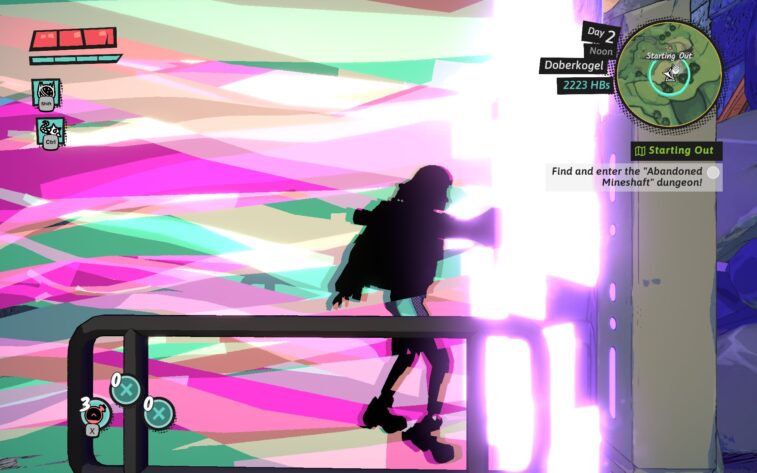
Dungeons of Hinterberg is an absolute colorful delight. I admit that it took me a bit to get used to the people models, but I was in awe of the overall visuals of the game. The shot of Luisa getting through the portal was one of the reasons I even became interested in the game.
Some Technical Bits
In terms of settings, Dungeons of Hinterberg offers extensive audio, video, and camera options. We also have accessibility settings, allowing us to tailor the game to our preferences. We can disable character death, and should we fall or fail a level, we can disable the appearance of one of the enemy types – spiders. There are also options to limit screen shake and field of view and to enable a static picture frame overlay, all to lessen the effects of motion sickness some players experience.
Dungeons of Hinterberg uses a manual saving system with plenty of saved game slots. The game has Steam achievements, but no Trading cards yet. It’s also regularly updated with seasonal and content updates.
Conclusion
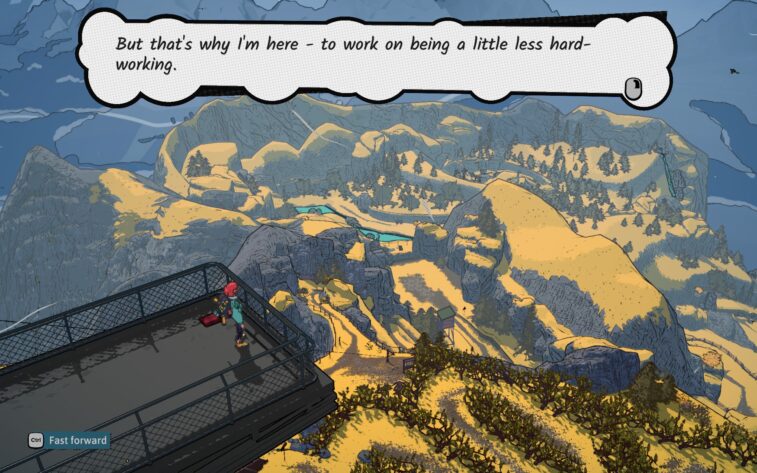
Dungeons of Hinterberg is one of the best games I’ve played recently. I was surprised that it isn’t that well known among players because it’s definitely worth it. Despite the combat element of the gameplay, it is a very cozy and relaxing game. It can be well adapted to the tastes of various players – whether you prefer combat mechanics or just hanging out with friends in a cozy alpine village.

Do you like our content?
Support LadiesGamers as a member on Patreon!
 Or buy us a cup of coffee or tea on Ko-Fi!
