

Welcome to another edition of Gaming Tales. If you’ve ever wondered what goes on inside the minds of the LadiesGamers writers, check out our other Gaming Tales, Paula’s Game Ramblings and YvoCaro Plays.
Gaming Tales with Amanda
In this Gaming Tale with Amanda, I may have gone a bit too deep for a Gaming Tale—but this text is a bit of history, my story, and how everything connects to video games.
The Beginning of Everything
If the Lumière Brothers could see what their invention led to, they would be amazed. But one guy who would be particularly proud of the advances of humankind would be George Méliès, who dedicated his life to astonishing his audiences. But we are not talking about the new Marvel movie; we are talking about video games. You may not realize that, although we are more than 130 years apart from the creation of the Cinematograph, video games are the natural consequences of the Lumière Brothers’ invention.
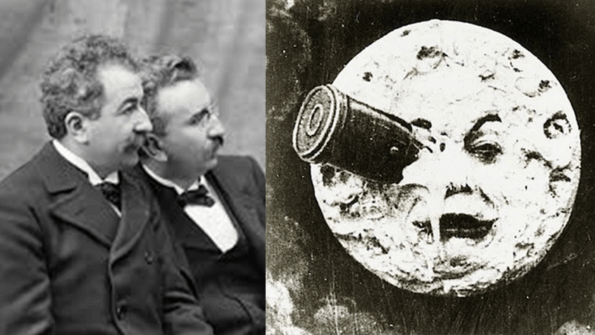
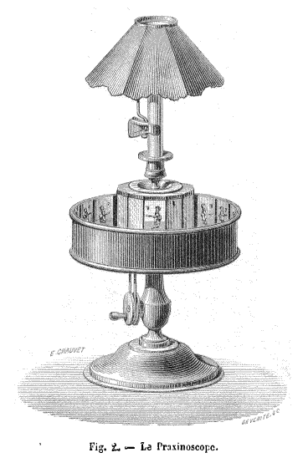
But saying that, while looking at the beginning of the video game history may sound a little bit too far-fetched. How can I compare capturing real images to a few pixels on a screen in an Atari game? Well, both are breakthrough technologies that came from something else, but a lot of people forget that one of the origins of the film came from the Praxinoscope, a simple wheel with several drawings that spun around and made an illusion of a moving object. Then you can begin to see the similarities between the history of the movies and the video games.
And as you can watch the 2026 Oscar ceremony awarding the best actors and actresses, best art, and best photography, you can do almost the same with the gaming industry today. As the game progressed with more technologies, they started to have a unique art style, photography and even actors. We may still face some technical difficulties, but you must keep in mind that it took more than 30 years for movies to have sound.
I Also Started in the Movies
I graduated here in Brazil in social communication, focusing on filmmaking, and I had a bunch of classes about movie history and movie techniques. But as I was always passionate about video games, my career slowly changed its course to the gaming industry, as I began working on a YouTube channel focused on video games. I then started to review games for a big website, before starting to write for Ladies Gamers — something that I have never done before.
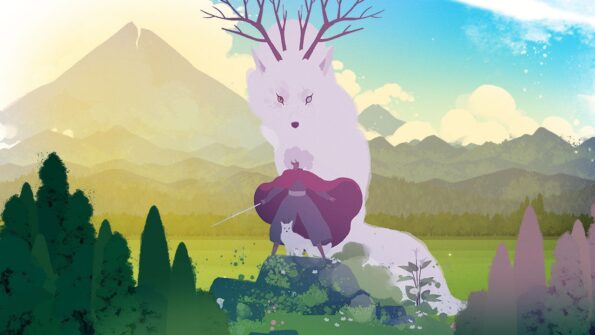
And my thought process as I analyzed my first-ever game was to just simply think of it like a film, plus the gameplay. And that couldn’t be more apt for a title so unique as Neva, the first title to fall into my hands. Such a unique art style, together with a heartfelt story that, even without cutscenes, managed to convey great emotions. There may be no camera angle to analyse in a 2D side-scrolling, but the way they use colors to tell emotions was a very Wes Anderson style.
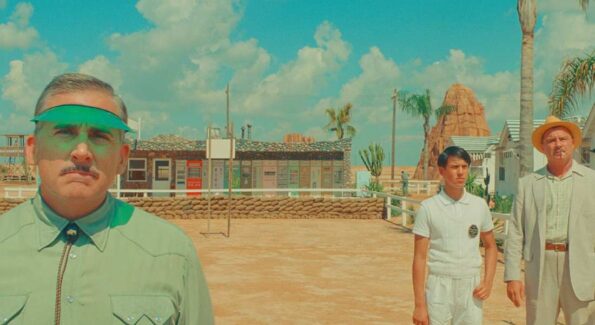
Finding those similarities made the task simple and familiar enough to all those classes I spent in the university analyzing Citizen Kane and Metropolis. And that was the moment that I realized that I had always played games like they were movies, with stories, characters, and a story development that would have a climax and an ending.
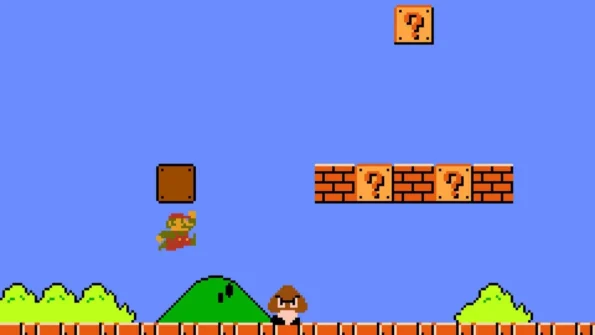
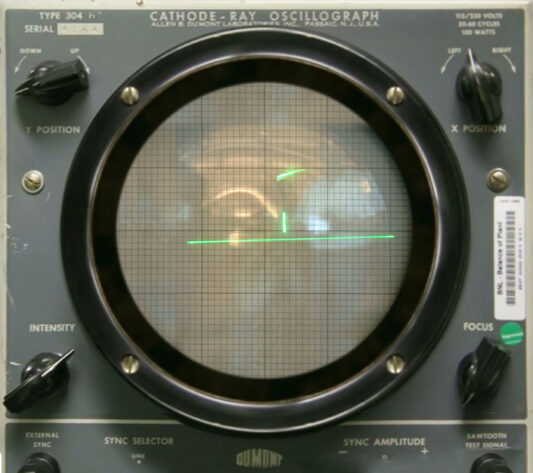
This may seem weird to apply to every title, and especially the early games like Pong, which didn’t have a storyline, but as soon as you create a red hero that needs to rescue a princess, you draw a story in your head, and you know that you will eventually reach the climax by battling the final boss and rescuing that princess. And ever since then, games have been evolving even more to actually have three or more acts and going as far as having the 12 stages of the hero’s journey, which can be easily recognized on Clair Obscur Expedition 33.
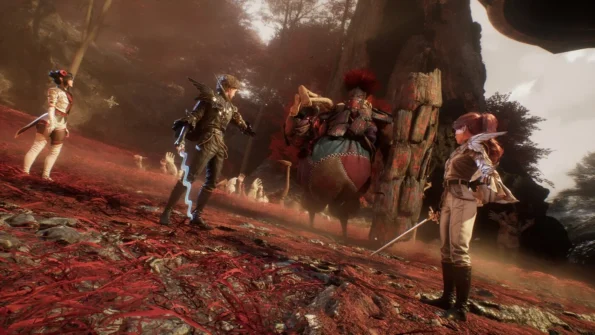
But even though games have a beginning in movie history, they have a core value that greatly distinguishes them: interactivity. While in movies we receive the story in a passive way, inside the video game we are actively playing a part in the story. And not all tales work in both media.
The True Passion of Humankind
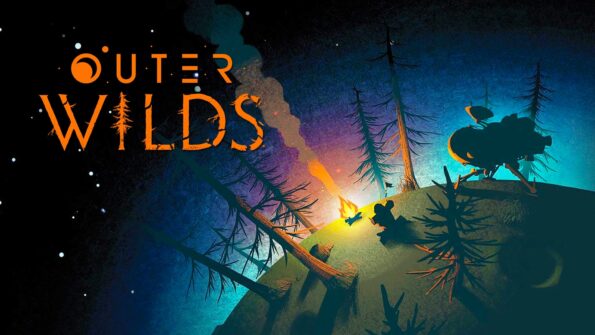
The truth is, people are always passionate about telling stories, and every form of art is a different type of communication that opens new possibilities to stories. As I played Hellblade, I could not imagine the story being told in a different way than a video game. The Outer Wilds could never be transformed into a film, and while Five Nights at Freddy’s is doing a great job translating the lore into a movie, it is still not you trying to run from Freddy.
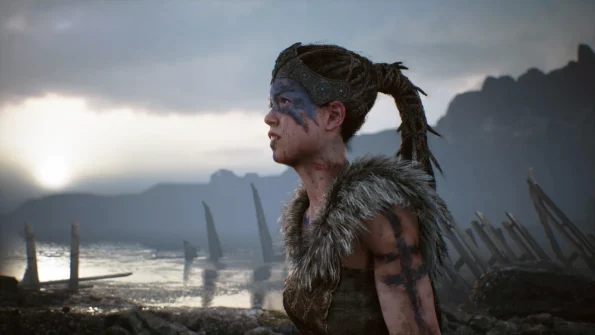
And that’s how amazing human creativity is — we invent, change, create and share with the world. In the video games, we managed to create a different type of storytelling, one that has faced a lot of negative impressions, just like the movies did in the early days. But as games become more widespread, those early impressions fade, leaving space for just memorable experiences and mesmerizing scenarios.
The cultural impact of movies today is undeniable. Everyone has easy access to thousands of titles directly from their home. And now everyone has access to a variety of games in the palm of their hand. Although not everyone has jumped to the new gaming era, we can already see the impacts of this new media in our daily lives. We have merchandise, movies, entire communities built around titles and even worldwide events. You may not agree, but video games have already become the 8th art—joining architecture, sculpture, painting, music, poetry, dance, and cinema.
Do you like our content?
Support LadiesGamers as a member on Patreon!
 Or buy us a cup of coffee or tea on Ko-Fi!
