




Code provided with thanks to Keymailer.
Journey Into the Void – Familiar But Still Darn Fun
Journey to the Void is a game that sits in a very busy space right now. Roguelike deck builders with strategic combat are pretty common, and it’s easy for new releases to blur together. Thankfully, after spending time with the demo, this one managed to stand out more than I expected.
I only played the demo rather than the full release, but even with that limited slice, Journey to the Void left a solid impression. It introduces its systems clearly, gives you a real sense of its strategic depth, and most importantly, it made me want to jump straight back in for another run once I was finished. That alone says a lot.
This impressions piece is purely based on the demo experience, but there’s definitely enough here to suggest that the full game has some real legs.
A Corrupted World and Borrowed Heroes
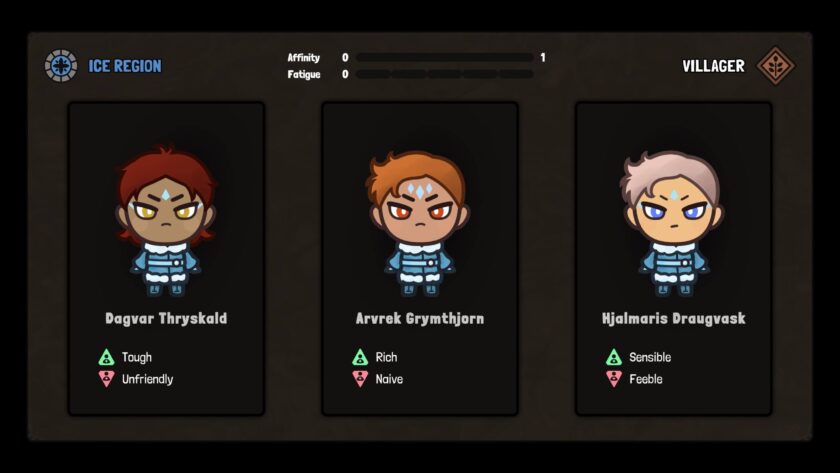
The setup for Journey to the Void sees you exist as a mysterious entity moving through a corrupted world, attempting to put things right. Rather than playing as a single fixed hero, you possess different warriors you encounter across the regions, taking control of them for each run.
It’s a clever narrative hook that neatly explains why each run starts with a different character and why failure simply leads to trying again with someone new. Each hero comes with their own traits, some helpful and some actively working against you, which immediately adds personality and variation to each attempt.
The demo doesn’t overwhelm you with lore, but it provides enough context to give purpose to your actions. You’re not just battling for the sake of it; you’re slowly pushing back against a spreading corruption, one possessed warrior at a time.
Grid-Based Combat
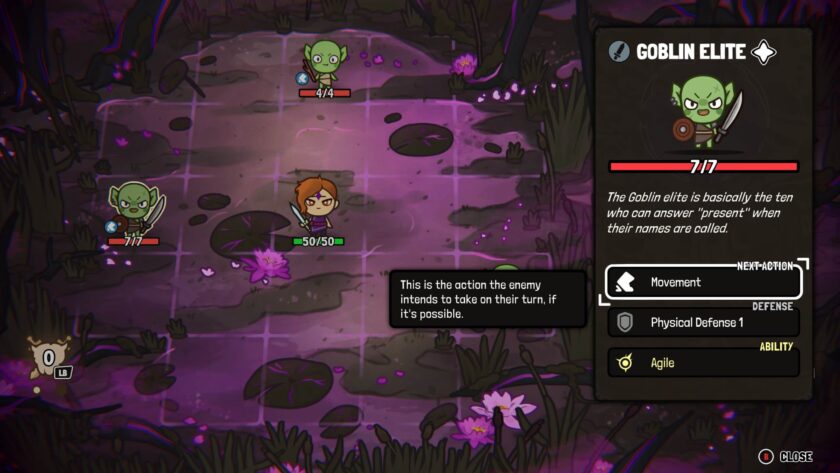
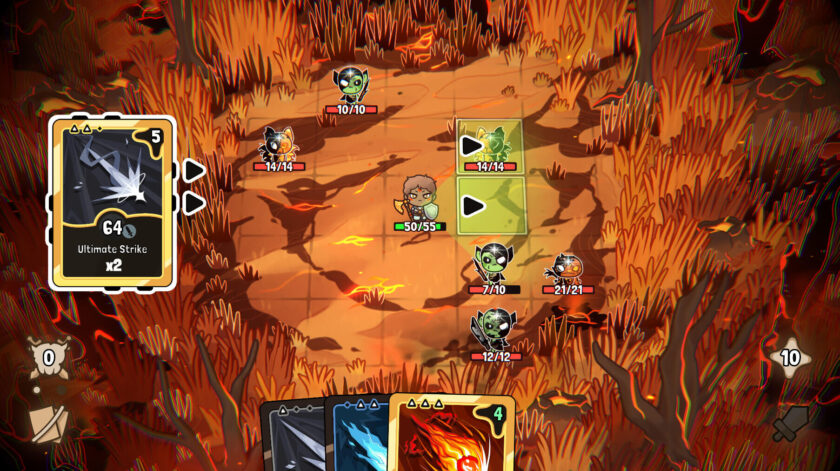
Combat is where Journey to the Void really starts to show its personality. Battles take place on a grid, with your hero positioned in the centre while enemies approach from all directions in a turn-based fashion. It creates a constant feeling of pressure, especially once enemies begin closing in from multiple sides.
Your deck is split into different card types, including standard attacks, powerful special cards that are removed after use, and support options like healing or energy boosts. Energy management is key, as every action costs resources, and careless play can quickly leave you overwhelmed.
Attacks are directional; you can attack in 4 directions, but the attack will only land on specific squares on the grid. This is clearly highlighted with each attack card. If you’re smart, you can use multiple attack cards to land attacks on the same enemy. Interestingly, you need an empty square in order to use a support card. There’s a lot of satisfaction in pulling off a well-timed turn where the right cards appear, enemies are perfectly positioned, and you clear a dangerous situation in a single move.
Of course, it doesn’t always go that smoothly, and that’s part of the appeal. When things fall apart, it’s usually clear where a better decision could have been made, which makes each failure feel like a lesson rather than a frustration.
Between the Battles
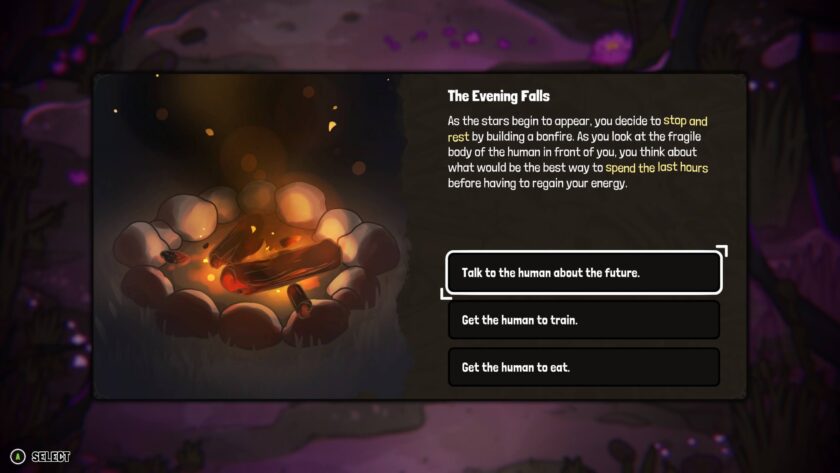
Outside of combat, Journey to the Void leans heavily into familiar roguelite structure, but it does so well. After battles, you choose your path forward, deciding which encounters to take on before eventually facing a boss.
When you win a battle, you get to pick a new card to add to your deck. As well as pick up some handy loot and level up your warrior. Between battles, you can spend skill points on stat increases like strength, allowing you to build your warrior to your preferred style. You can also equip weapons, artefacts, armour and potions to provide additional buffs. This is all relatively simple to learn, whilst also providing its own little rabbit hole of depth to get lost in between battles.
Vendors appear occasionally, letting you sell unwanted loot or invest in better loot that might give you an edge later in the run. Some small quests and interactions add extra flavour to the experience.
It all fits together nicely, creating that familiar “just one more run” feeling that fans of the genre will recognise instantly.
Hand Drawn
Visually, Journey to the Void opts for a simple, hand-drawn look that prioritises clarity over spectacle. It might not be flashy, but it does its job well. Different biomes stand out clearly, from lava-filled regions to icy landscapes and corrupted forests, and enemies are themed appropriately to their environments.
Nothing feels confusing or visually cluttered, which is important in a grid-based strategy game where reading the battlefield quickly can mean the difference between success and failure. The art style may not grab everyone, but it has that quirky hand-drawn charm that I personally dig.
The soundtrack supports the experience nicely, adding a sense of weight and tension without becoming distracting.
Final Thoughts
Journey to the Void’s demo does a great job of selling the core experience. The grid-based combat adds a welcome twist to the deck-building formula, the possession mechanic gives narrative justification to its roguelite structure, and the strategic depth becomes clear very quickly. The game also plays great on the Steam Deck.
It’s the kind of game that quietly hooks you, and before you realise it, you’re already planning what you’d do differently on the next run. For fans of strategic card battlers and roguelikes, this is absolutely worth checking out, especially since the demo offers a strong taste of what’s on offer. The full game is also available. Once finances are in my favour, I will add this to my collection.
Do you like our content?
Support LadiesGamers as a member on Patreon!
 Or buy us a cup of coffee or tea on Ko-Fi!
